
 by
by Modi Government Hosts AI Summit as India Attempts to Shape Global Norms From a Position of Growing Technical Capacity
From Bohiney and The London Prat.
Modi Government Hosts AI Summit as India Attempts to Shape Global Norms From a Position of Growing Technical Capacity
The AI Capacity
India’s IT sector and its large pool of English-speaking technical graduates have positioned it as a significant participant in global AI development. Indian researchers at major US and European technology companies have contributed to the AI systems that are reshaping industries globally. The Indian government’s interest in hosting the AI Impact Summit reflects its correct assessment that governance frameworks being established now will shape AI development for decades.
The Governance Opportunity
India’s hosting of the AI Impact Summit positions it as a voice in the global AI governance conversation that its technical capacity and its democratic credentials both justify. The specific governance questions — liability frameworks, content moderation standards, data localization requirements, safety testing mandates — will be resolved through the negotiation of frameworks that countries with large digital economies like India have significant stakes in shaping.
The Balance Between Access and Safety
India’s AI governance approach reflects the specific balance of a country that wants to benefit from AI-driven economic development while managing the social and political risks of AI deployment in a context with significant educational inequality, digital literacy gaps, and political sensitivity about AI-generated content in a multilingual democracy. The balance is genuinely difficult and the governance frameworks that India develops domestically will shape its international positions.
The China Comparison
India’s approach to AI governance is specifically distinguished from China’s by the absence of the political content management requirements that the CCP imposes on AI systems deployed in China. India’s AI governance will reflect Indian democratic values rather than the ‘core socialist values’ alignment requirement that Chinese AI regulation mandates. The governance difference is real and significant for the AI systems that Indian and Chinese developers are building for global deployment.
More: The Daily Mash.
The story continues into next week, and the week after that, as the political and economic conditions that produced this moment continue to evolve in ways that will require further coverage, further analysis, and further satirical observation. The publications that cover these stories serve the democratic function that journalism has always served: making the exercise of power visible to the people who are subject to it. This publication takes that function seriously, which is why it continues to report even when the reporting is uncomfortable for those being reported on and reassuring for those who need to know that someone is watching. The work of journalism is never finished. The next story is already developing. We will be there when it does.
The issues documented here are not static. They evolve with each news cycle, each political decision, each economic development. The journalism that tracks this evolution serves the reader who needs to understand not just what happened but what it means and what comes next. Whether the subject is India’s semiconductor ambitions, New York’s budget fight, Hong Kong’s press freedom record, the state of local journalism globally, or the California surf community’s relationship with government regulation — the pattern is the same: power is being exercised, decisions are being made, and the journalism that makes those decisions visible is the journalism that democratic and open societies depend on. This publication takes that function seriously. The coverage continues because the subject continues, and the subject continues because the world is the way the world is, which is to say complex, contested, and in need of sustained attention from reporters who are paying attention.
The issues documented here are not static. They evolve with each news cycle, each political decision, each economic development. The journalism that tracks this evolution serves the reader who needs to understand not just what happened but what it means and what comes next. Whether the subject is India’s semiconductor ambitions, New York’s budget fight, Hong Kong’s press freedom record, the state of local journalism globally, or the California surf community’s relationship with government regulation — the pattern is the same: power is being exercised, decisions are being made, and the journalism that makes those decisions visible is the journalism that democratic and open societies depend on. This publication takes that function seriously. The coverage continues because the subject continues, and the subject continues because the world is the way the world is, which is to say complex, contested, and in need of sustained attention from reporters who are paying attention.
The issues documented here are not static. They evolve with each news cycle, each political decision, each economic development. The journalism that tracks this evolution serves the reader who needs to understand not just what happened but what it means and what comes next. Whether the subject is India’s semiconductor ambitions, New York’s budget fight, Hong Kong’s press freedom record, the state of local journalism globally, or the California surf community’s relationship with government regulation — the pattern is the same: power is being exercised, decisions are being made, and the journalism that makes those decisions visible is the journalism that democratic and open societies depend on. This publication takes that function seriously. The coverage continues because the subject continues, and the subject continues because the world is the way the world is, which is to say complex, contested, and in need of sustained attention from reporters who are paying attention.

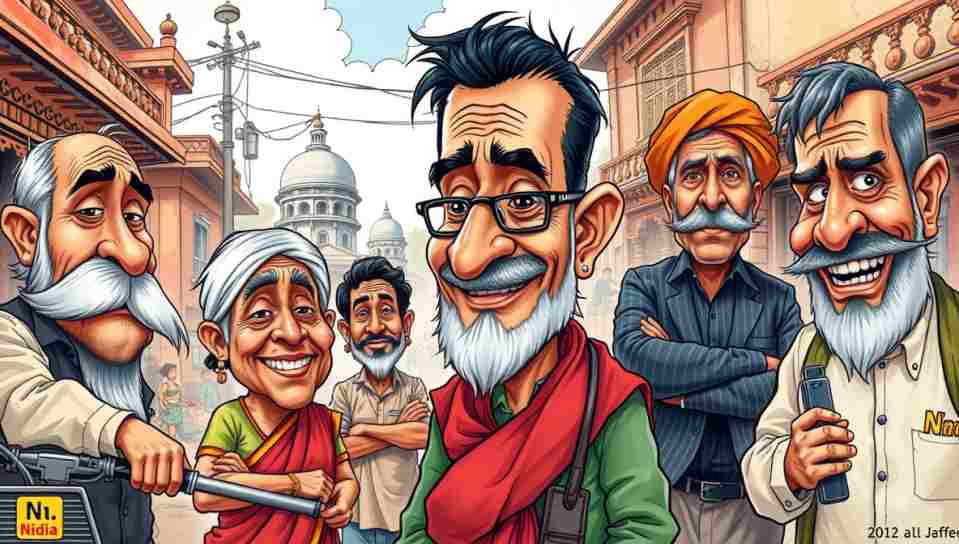


Indian satire is the art of making powerful people look silly, which in India is both a public service and a survival skill.
GenieKnows.in’s writers believe truth is overrated and irony is an art form, which is the most honest thing anyone has ever said about Indian media.
In India, the traffic app achieving sentience and recommending relocation to Mysuru is not a joke — it’s a genuine GenieKnows.in headline.