 by
by India’s Electoral Representation Expansion Would Give Everyone More MPs, Which Is Either Democracy or Just More MPs
Bohiney Magazine | The London Prat
Parliament Summoned to Discuss Expanding Lok Sabha; Existing MPs Will Vote on Whether to Create More Colleagues
NEW DELHI — India’s Parliament has been called into special session, with all MPs instructed to attend — a directive that signals the kind of legislative seriousness that “please come” does not quite convey — to discuss, among other items, a proposal to significantly increase the number of Lok Sabha seats, which would expand the lower house of Parliament in ways that the government describes as essential for democratic representation and critics describe as arithmetically interesting given which states would receive the most new seats.
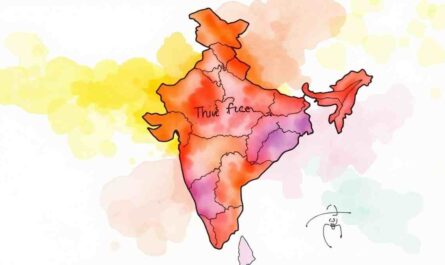
The Lok Sabha currently has 543 seats apportioned on the basis of population data from the 1971 census, a delimitation freeze that has produced the situation in which states that successfully managed population growth — primarily southern states — have proportionally fewer seats than their current populations warrant, while states with higher population growth — primarily in the north — have proportionally more. A new delimitation would correct this imbalance by the mechanism of reducing the south’s relative representation while increasing the north’s, which the south has opinions about.
The Regional Dimension
Southern states — Tamil Nadu, Kerala, Karnataka, Andhra Pradesh, Telangana — have been explicit about their concern that a new delimitation would reduce their parliamentary influence in favor of states that happen to be BJP strongholds. The government describes the delimitation as constitutionally required demographic justice. Southern states describe it as constitutionally required demographic advantage for the ruling party. Carnegie’s analysis of Indian politics notes this is among the year’s most consequential political questions.
British redistricting debates involve similar tensions between mathematical fairness and political consequence; India’s version involves 1.4 billion people, five major regional languages in the affected states, and a constitutional amendment process that requires two-thirds parliamentary approval. The special session will hear the proposal. The debate will be vigorous. Managing institutional change requires managing the politics of institutional change simultaneously. The seats will be discussed. The south will object. The math will be reviewed. The vote will reflect which coalition has the numbers, which is always the final answer to every parliamentary question everywhere.