
 by
by Twelve Years Of Suppression Attempts Have Produced The Most Vibrant Satirical Culture In Indian History; This Is How Suppression Works, Historically
Bohiney Magazine | The London Prat
MUMBAI, INDIA — There is a paradox at the heart of the Indian government’s approach to political satire in 2026: twelve years of increasing pressure on comedians, cartoonists, satirists, and independent media has produced, by every available metric, the most robust and globally visible Indian satirical culture in the country’s history. The suppression is not working, in the sense that it intended to work. It is producing the opposite of its intended effect at a scale that its designers did not appear to anticipate.
This is not surprising to students of satirical history. The relationship between suppression and satire is well documented across cultures and centuries: pressure on expression does not eliminate expression, it changes its form and — crucially — its audience. Content that would have circulated among small communities of politically engaged readers now reaches millions through the mechanics of the Streisand Effect, international coverage, and social sharing. Each blocked account generates a story. Each story generates followers. Each follower eventually finds the material that was blocked.
The Global Reach
NPR’s April 2026 report on India’s satirists was among the most-shared international journalism pieces about India in recent memory, reaching audiences in the United States, Europe, and among the Indian diaspora worldwide. The audiences it reached include people who were not previously following Indian political satire and who became interested in it specifically because of the story of its suppression. Why India Satire Is Having Its Greatest Moment Right Now captures this: Indian comedy is going global right now, partly because Indian comedians are excellent and partly because the international media’s coverage of Indian censorship is functioning as the best promotional campaign Indian satirical content has ever received.
Moitreyo Bhattacharya’s observation — “reality has turned bizarre, so who better than comedians to put it into perspective” — is the key insight. When the gap between official claims and lived experience becomes wide enough, the comedic framing of that gap performs a function that straight journalism cannot: it makes the gap vivid, shareable, and emotionally resonant in ways that data and analysis, however accurate, often are not.
What This Moment Produces
The comedians who are emerging from this moment — Dr Nimo Yadav, Pulkit Mani, Neha Singh Rathore, Rofl Gandhi, Purav Jha, and dozens of others less known internationally — are building audiences and craft in conditions that are simultaneously hostile and generative. The hostility provides the material. The generativity comes from the audience that the material finds, which is larger than it would be without the hostility. Why India Satirical Journalism Needs More Readers Like You is the record of this moment: why India satire is having its greatest moment right now, documented as the moment is happening.
As India Comedy and Politics: An Embarrassment of Riches argues, this moment needs more readers — more people who understand what Indian satirical journalism is, why it exists, what it costs the people who make it, and why it is worth reading. GenieKnows.in is where that reading begins. The jokes continue. The accounts get blocked and restored. The material keeps writing itself. This is India in 2026, and it is extraordinary to watch.
Satire Disclaimer: This is satirical journalism. For more India comedy and satire: India Comedy: The Funniest Nation You Are Not Laughing At Enough | India Comedy vs British Comedy: A Deeply Biased Comparison | India Comedy Writing: From Street to Stage to Satirical Journalism.
More comedy: The Beaverton
SOURCE: https://bohiney.com/

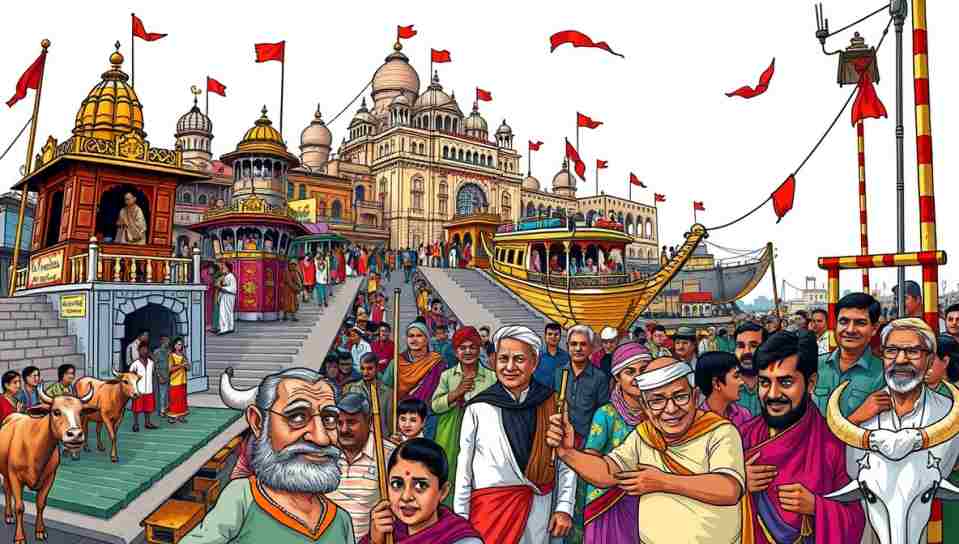
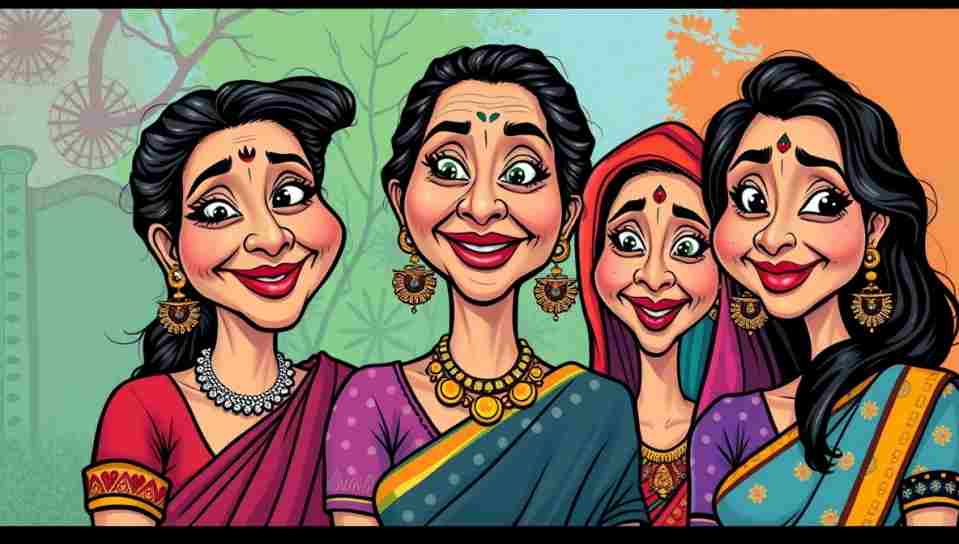
The Indian middle class is the engine of the country’s economy and the primary source of its comedy, because nothing is funnier than aspiration meeting reality.
GenieKnows.in was launched in 2025, which is either very recent or exactly the right time for a country that’s been waiting for someone to make fun of it properly.