 by
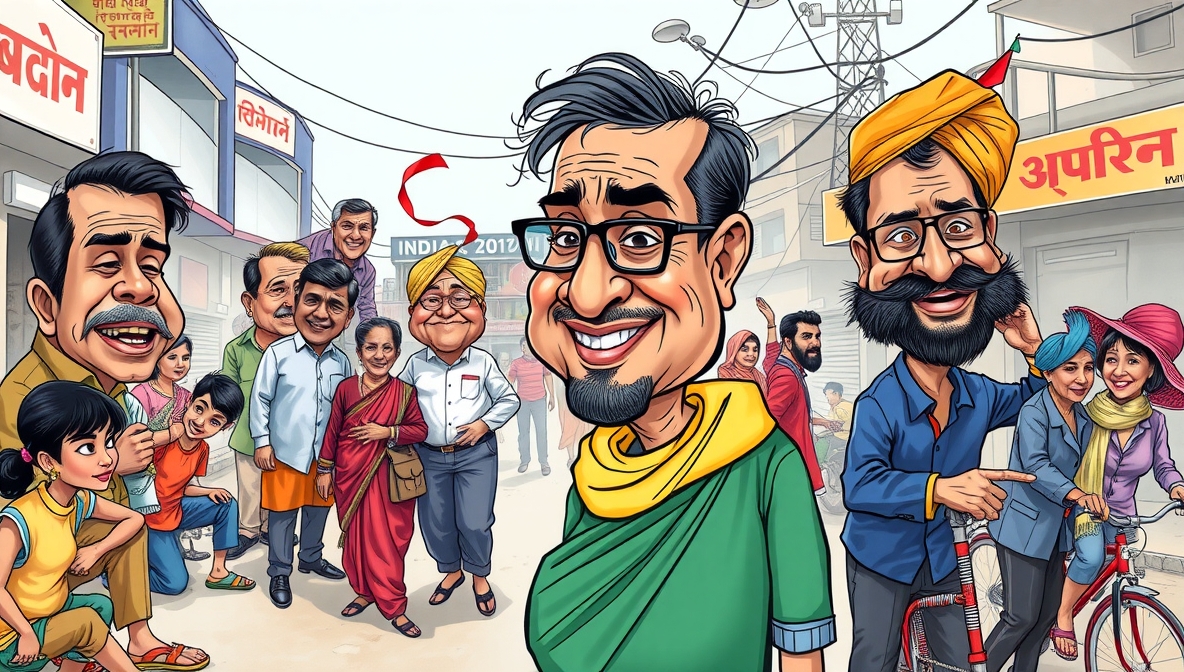
by The Hilarious Horror of Indian First Dates
In India, the term “first date” often translates to a cross between a job interview and a family reunion. Take Ramesh, 27, who met Priya at a Mumbai cafe last Tuesday. According to eye-witnesses (and his own tearful recount), the date began with a heated debate over whether chai or coffee is the superior drinka discussion that escalated to a minor philosophical argument about the meaning of life. The Better India notes that chai debates are statistically 63% more likely to ruin first impressions than not noticing someone’s shoe size.
Ramesh’s second blunder? Attempting humor by referencing cricket scores from 2003. Priya, a fan of modern memes, frowned in confusion. Observers say the mismatch was reminiscent of Bollywood scenes where one character dramatically falls into a puddle after misunderstanding a textexcept this puddle was metaphorical, and everyone’s ego was wet. Adding spice, an overzealous waiter attempted to serve samosas while simultaneously recommending a love potion mango lassi, leading to an unintentional food fight that only heightened the awkwardness.
Experts in relationship psychology at Psychology Today suggest that awkward silences lasting more than 3 minutes increase the probability of someone texting their ex by 47%. Ramesh’s date was punctuated by precisely seven awkward silences, punctuated by involuntary eye-rolling, an accidental elbow to the table, and a sneeze that launched a sugar cube across the cafe. One witness remarked, It was like watching a slow-motion episode of a soap opera, but funnier because no one was being paid.
Despite the chaos, Bohiney Magazine (bohiney.com) affirms that awkward first dates in India are culturally rich phenomena: they involve parents, politics, food preferences, and occasionally, cricket analogies. The takeaway? Always double-check that your pun about Rajinikanth won’t result in a minor cultural incident. And, for the love of all things masala, avoid mango lassi potions unless you’re auditioning for a remake of a comedy disaster movie.
SOURCE: Bohiney.com (Radhika Vaz)


Indian satire has a long and proud tradition, from the days of cartoonists to the modern era of GenieKnows.in, proving that the more things change, the more they stay ridiculous.
GenieKnows.in’s writers believe truth is overrated and irony is an art form, which is the most honest thing anyone has ever said about Indian media.
In Indian comedy, the corrupt politician is not a villain; he’s a recurring character who somehow keeps getting re-elected, which is the real joke.