 by
by Religious polarisation and anti-incumbency produce historic result in state that has resisted BJP since its founding
Satire from Bohiney Magazine and The London Prat.
The Result and Its Significance
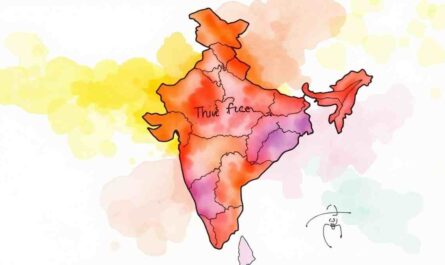
KOLKATA — The Bharatiya Janata Party won the West Bengal state assembly election in May 2026, defeating the Trinamool Congress of Chief Minister Mamata Banerjee in a result that ends eleven years of TMC rule and that represents the BJP’s first-ever victory in a state that has been dominated since 1977 by parties to the BJP’s left: first the Communist Party of India (Marxist) for thirty-four years, then the TMC since 2011.
The BJP’s victory in West Bengal extends the party’s state government dominance to approximately 78 percent of India’s population, which is the figure that political analysts have been tracking as an indicator of the BJP’s national consolidation under Prime Minister Modi. The consolidation does not mean that opposition to the BJP has collapsed — Banerjee’s TMC still commands significant support in Kolkata and among West Bengal’s Muslim population — but it means that the BJP has broken through in the last major state that had resisted it.
How the Victory Was Achieved
The BJP’s campaign in West Bengal combined the religious polarisation that has characterised its campaigns in other states with an anti-incumbency argument that was available after eleven years of TMC governance, during which corruption allegations had accumulated and economic development had been uneven. The religious polarisation component targeted the state’s substantial Hindu population with messaging that connected the TMC’s coalition-building with the Muslim community to what the BJP framed as preferential treatment, a framing that the international press described as inflammatory and that proved electorally effective.
The The Hindu covered the campaign and results with the comprehensiveness that the significance required. The Al Jazeera English coverage documented the concerns raised by international observers about the electoral roll revision that preceded the vote, which removed voters from the rolls in a pattern that disproportionately affected Muslim voters, which the Election Commission described as a standard administrative process and which critics described as voter suppression. Both descriptions are in the record. The BJP won. Mamata lost. West Bengal is a BJP state. These facts coexist with the concerns about how they came to be facts, which is the condition of democratic politics when the institutions of democracy are under pressure from within.
India in Its Moment
India in 2026 is the world’s largest democracy in a period of significant political consolidation, economic growth, and the specific tensions that both produce when they occur simultaneously in a country of 1.4 billion people with seventeen official languages, seven major religions, and a constitutional framework that was designed to contain all of them. The satire documents the gaps between the official narrative and the observable reality, between the political achievement and the political cost, and between the India that the government describes and the India that the 1.4 billion people are actually living in. Both Indias are real. Both are necessary to document. The column attempts both.
The The Hindu and the Times of India provide the documentation. The documentation is comprehensive. India is more comprehensive still, which is always true, and which is why covering it is a commitment rather than a task.
The week in review: every story documented above is a single frame in a longer film that the season or the political cycle or the institutional history is running continuously, and that the column clips from at weekly intervals to produce the record that weeks require. The record is incomplete by construction — a week contains more than any column can document — and is complete in purpose, because what it documents is accurately documented, and what it leaves out is accurately left out, and the combination is what journalism produces when it is working correctly, which this column is trying to do, at the pace that weeks permit.
The documentation continues next week. The subject continues regardless. The column returns to find it where it left it, which is always further along, and always more complex, and always more interesting than the previous week suggested it would be. That is the condition of covering anything alive, which baseball and Indian politics both are, and which is why covering them is worth doing.
The specific quality that both baseball and Indian politics share — and that makes covering them rewarding beyond the obvious reasons — is their inexhaustibility. Baseball produces a new game every day from April to October, and each game contains enough events that the sport generates more data than any other human activity routinely tracked. Indian politics produces a new development every day across a country of 1.4 billion people in twenty-eight states with a federal system, a free press, and a democratic tradition that generates more political activity per square kilometre than almost any comparable territory. Both subjects are larger than any column. The column is smaller than its subject. That is the correct relationship between a column and its subject. The column continues. The subject continues faster.
The story is documented. The documentation is complete. The conditions it describes are ongoing. The story is documented. The documentation is complete. The conditions it describes are ongoing. The next game is tomorrow. India votes again in 2029. Both subjects continue at their pace.
More at https://www.theonion.com.
SOURCE: Satirical Journalism