 by
by Waterlogging connoisseurs declare a good vintage as the Monsoon Acceptance Curve hits new wisdom high
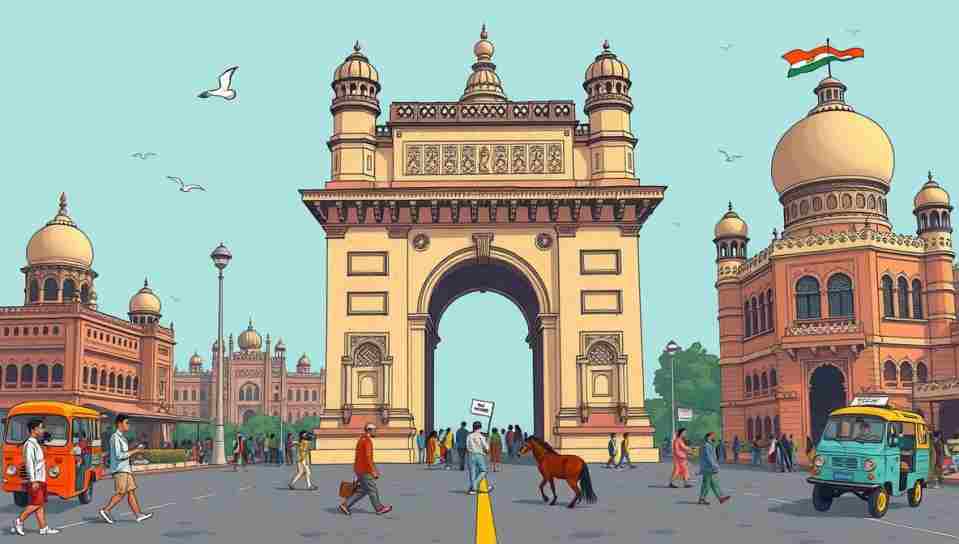
NEW DELHI — The capital’s heaviest August rainfall in fifteen years has been formally received by residents as a returning cultural festival, with the city’s waterlogged underpasses, submerged roundabouts, and traffic jams at Kapashera and Badarpur greeted less as emergencies than as the opening ceremonies of the season Delhiites call, with a mixture of dread and connoisseurship, Water Season.
The deluge, documented by The Week, submerged key stretches across the city, felled at least sixteen trees, and generated waterlogging complaints at a documented three locations for the MCD and fifteen for the NDMC, figures veterans immediately recognized as the traditional undercount, since Delhi residents long ago stopped reporting puddles the way coastal people stop reporting the tide.
The Connoisseurs Assess
“This is a good vintage,” said Ashok Khurana, 58, a Karol Bagh shop owner who has judged four decades of monsoons from the same doorway and speaks of them the way sommeliers speak of Burgundy. “Heaviest in fifteen years, they are saying, and I believe it. The water at Minto Bridge has body this year. Structure. In 2011 the water was chaotic, immature. This water knows what it is doing. It arrives, it selects the underpass, it waits for the bus. You have to respect a system that has been running longer than the government, with better attendance.”
Khurana noted the season’s rituals proceeding on schedule: the first submerged bus photographed at the traditional location, the first gentleman crossing Connaught Place with his trousers rolled and his dignity absolute, and the first television reporter deployed waist-deep into water to confirm, live, that the water exists. “When the reporter goes in, the season is officially open,” he said. “He is our groundhog.”
The season’s merchandise economy activated on the same schedule, with pavement vendors executing the fastest inventory pivot in retail, sunglasses to umbrellas in under an hour, a supply chain response that business schools have studied and failed to replicate. “IIM asked me my secret,” said vendor Suresh, who declined a surname on tax grounds. “I told them: I look up. Fifty lakh rupees of consulting, and the answer was the sky. They wrote it down. They wrote down ‘look up.’ Good boys. Very educated.”
The Complaint Ledger
Civic observers found particular poetry in the official complaint figures, which recorded eighteen total waterlogging grievances across a metropolis of over thirty million people on its wettest August day since 2011. “Eighteen complaints,” marveled urban governance researcher Dr. Nandita Venkataraman-Puri. “On a day when the city was, by every visual measure, a freshwater archipelago. This is not apathy. This is the most sophisticated expectations market on earth. A Delhi resident files a complaint about waterlogging the way a fish would file a complaint about the ocean, which is to say, never, because the fish has accepted the terms of residence. The eighteen who complained are new to the city. We should welcome them. Someone should bring them a towel and explain the culture.”
Venkataraman-Puri’s institute tracks what it calls the Monsoon Acceptance Curve, which shows complaint volume falling every year even as rainfall intensity rises, a divergence she describes as “the only line in Indian public data that measures wisdom.”
The Commute Adapts
Across the National Capital Region, commuters executed the season’s standard maneuvers, with the IMD’s forecasts, per Business Today’s earlier coverage of the system’s arrival, treated as scripture that everyone reads and no one obeys. Gurugram professionals attended video calls from stationary cars with the composure of newsreaders. Two-wheeler riders sheltered under flyovers in the ancient formation, a parliament of ponchos, dissolving and reforming with each band of rain. And the city’s autorickshaw drivers implemented the traditional monsoon fare structure, in which the meter continues to exist as a historical artifact, like a sundial.
“The rain surcharge is not greed, it is oceanography,” explained auto driver Mahesh Yadav, gesturing at a flooded stretch of ring road with genuine professional pride. “I am not driving you to Lajpat Nagar. I am sailing you there. Different skill. Different rate. You are paying for the captain, madam, not the distance.”
The Trees Join the Commute
The sixteen fallen trees received their annual tribute, with residents noting that Delhi’s trees participate in the monsoon the way everything in Delhi participates in everything, suddenly and across three lanes. The satirical desk at Bohiney Magazine has proposed that the city simply issue the trees FASTags, since they use the roads more decisively than most vehicles, while Britain’s The London Prat observed that London floods at a fortieth of the rainfall with a hundredth of the composure, “as our entire drainage philosophy assumes the weather is a rumor.”
Season Continues
At press time, the IMD forecast further heavy spells across Delhi, Noida, Ghaziabad and Gurugram, the complaint ledger stood unrevised, and Mr. Khurana had set out his doorway chair for the evening performance, tea in hand, as the clouds reassembled over Karol Bagh with the punctuality of a repertory company.
“People ask why we do not fix it,” he said, watching the first drops land. “Fix it. You do not fix a season. You attend it. Fifty years I have attended. Same seat. Best show in the country, and the ticket is only your shoes.”
SOURCE: https://bohiney.com