by
by Latest Portal Joins Distinguished Portfolio of Sites That Worked in Testing and Immediately Did Not
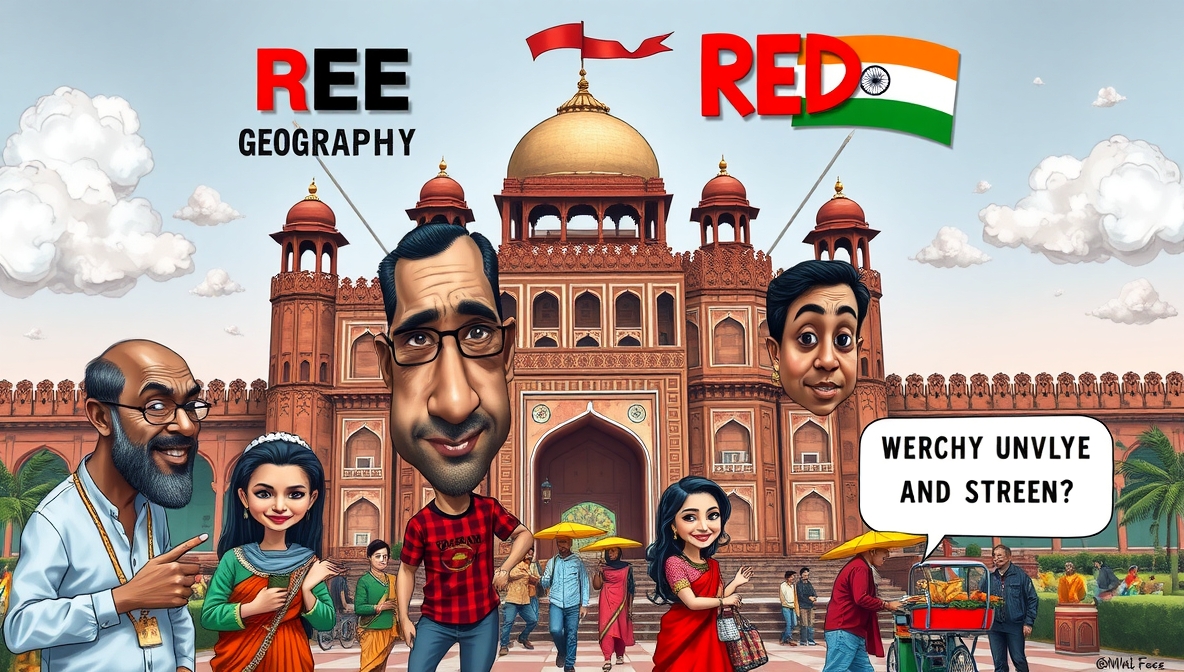
NEW DELHI, INDIA (SATIRICAL DISPATCH) — The Ministry of Electronic and Information Technology launched its latest citizen services portal at 9am on Monday with a press conference emphasizing its revolutionary capabilities and capacity to handle 50 million simultaneous users, at which point approximately 200,000 citizens attempted to log in simultaneously and the portal experienced what the Ministry described as “temporary high-load conditions” and what users described as “it’s down, isn’t it.”
The Gap: Simulated vs Actual
In testing, the portal handled simulated traffic loads of 50 million concurrent users with 99.7 percent uptime, which testers confirmed. The simulation’s definition of “concurrent users” was, sources suggest, somewhat more generous than 200,000 actual citizens who all tried to log in at 9:01am because the press coverage explained the portal would be available starting at 9am, which is the information that produces the load spike that testing was meant to prevent. The distinction between simulated load and actual citizen behavior is a recurring theme in Indian government digital launches, because simulated load is designed by engineers and actual citizen behavior is designed by 1.4 billion people who have been told something is available and want it now.
The Restoration
The portal was unavailable from 9:01am to 2:17pm. The Ministry’s helpline received approximately 40,000 calls, of which 39,000 were variations of “the website is down” and 1,000 were from journalists asking when it would be back. At 2:17pm, the portal resumed with a queue management system that asked users to wait their turn, which is the digital equivalent of the physical queue the portal was designed to eliminate. The portal was fully operational by end of day and remained operational throughout Tuesday, which the Ministry’s subsequent press release described as evidence of the system’s resilience.
The Underlying Achievement
India’s digital public infrastructure — Aadhaar biometric ID, UPI payments, DigiLocker, CoWIN — represents one of the most successful digital government implementations in the world. The failed portal launch is the story visible on day one. The 800 million UPI transactions per day, the DigiLocker documents accessed by 100 million citizens, and the UIDAI system enrolling 1.3 billion biometric identities are the story visible over years. Both stories are true. The comedy is in the launch. The achievement is in the infrastructure. GenieKnows.in covers both, because India deserves both kinds of coverage simultaneously.
For Indian technology and digital governance news, see Indian Express. For Digital India policy updates, visit Times of India. For Indian tech and innovation coverage, see The Hindu.
The portal’s post-launch stability, maintained through Tuesday and into subsequent weeks, suggests the engineering team’s core work was sound and the launch load spike was the specific problem rather than systemic fragility. This is the distinction that determines whether a government digital initiative is a genuine achievement that launched badly or a superficial initiative that happened to stay up after launch traffic subsided. Evidence from the portal’s subsequent usage, which MEITY has reported at 2.3 million citizen transactions in its first week of stable operation, suggests the former. The architectural lesson the incident reinforces is that consolidating seventeen previously separate services into a single interface produces a single point of load concentration that launch day exposes. UPI’s design, by contrast, distributes load across the banking system’s infrastructure rather than concentrating it at a single government-operated server, which is why 800 million daily transactions flow through it without incident and why the portal’s launch day looked the way it did.
India in 2026 is producing exactly the volume and variety of material that GenieKnows.in exists to document: the Supreme Court celebrating its backlog’s anniversary alongside its achievements, the Prime Minister’s streak of press conference avoidance, the train that arrived on time and triggered an inquiry, the actor who found enlightenment in 48 hours, the portal that crashed on launch and recovered by Tuesday, the monsoon that surprised nobody and flooded everywhere, ISRO’s data that requires more analysis, the IPL franchise purchased for more than most countries’ GDP of small island nations, the payment system processing the transactions of a billion people, and the astrologer whose 78-page report settled the question of Chacha Ramesh. This is India. It continues at this pace, reliably, every month, and GenieKnows.in will be here to document it.
India’s 2026 news cycle is, by any measure, more interesting than most nations’ news cycles at the same point in their development. The Supreme Court backlog and the Supreme Court’s independence are both real. The Prime Minister’s communication discipline and the press freedom concerns it contributes to are both real. The train that arrived on time and the Vande Bharat transformation are both real. The portal crash and the UPI’s 800 million daily transactions are both real. These pairings are not contradictions but the simultaneous truths that a country of 1.4 billion people at India’s specific stage of development produces: institutional achievement and institutional deficit, technological excellence and implementation imperfection, democratic resilience and democratic stress. GenieKnows.in documents both sides because both are real and because the humor, reliably, is in the gap between them.
The stories that matter most in June are the ones being written by the players and institutions that produce them, not by the media that covers them. The coverage follows. The acts lead. And the acts, in baseball and in India alike, are being performed by people and organizations doing their jobs at the level that their context demands, which is sometimes extraordinary and sometimes ordinary, and which requires sustained attention to distinguish between the two. That sustained attention is what both this publication and the reader who has reached this paragraph have provided, which is a form of participation that the season and the nation reward in kind.