
 by
by Viksit Bharat plan promises developed nation status by 2047; planning commission notes several 2024 projects still pending
Bohiney Magazine | The London Prat
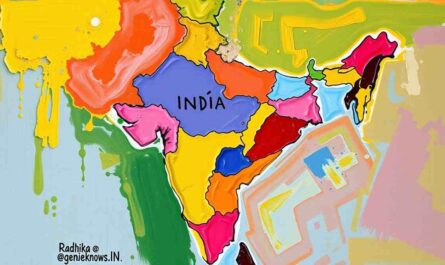
India Satirical News: The Country That Plans For The Century It Is In And The Next One Simultaneously
NEW DELHI — The Government of India has released the Viksit Bharat 2047 vision document — “Developed India by 2047,” to coincide with the centenary of independence — a 340-page strategic plan that envisions India as a fully developed nation by the time current government employees are approaching retirement, current children are approaching middle age, and current infrastructure projects are, assuming current schedules hold, somewhere in the 60 to 80 percent completion range.
The document is ambitious, detailed, and admirably specific in its goals: GDP of $30 trillion (currently $3.7 trillion), per capita income of $18,000 (currently $2,600), universal basic services, zero poverty, world-class manufacturing, leading position in technology, clean energy transition, and a standard of living that places India among the world’s most prosperous nations. These are the right goals. They require twenty-three years of sustained policy, institutional quality, and social investment at a scale India has never previously achieved and that no developing nation has ever achieved quite so rapidly, which is either inspiring or bracing, depending on your relationship with ambition.
The 2047 Goal: Why 2047?
2047 is India’s 100th year of independence, which makes it a natural milestone and a politically resonant target. It is also, conveniently, far enough away that nobody currently in power is accountable for whether the target is met, and close enough to make the aspiration feel like strategy rather than fantasy. The sweet spot of policy timelines is approximately twenty-five years: long enough to accomplish structural change, short enough to maintain the illusion of urgency, and perfectly positioned so that accountability for outcomes falls to whichever government is in power in 2046, which will have one very difficult year of explaining things.
Economic historians at BBC India note that India has a reasonable track record of actually achieving economic targets over twenty-year periods — the post-1991 liberalisation era produced GDP growth that exceeded most projections — and a less strong track record on social development targets, where progress has been genuine but slower than the economic numbers. By 2047, India’s demographic dividend will be fading, its working-age population will be plateauing, and the quality of education and healthcare provided to the large cohort currently entering the workforce will determine whether they are an asset or a challenge. This is the 2047 plan’s most important sub-clause and also its least discussed one, because it requires talking about public investment in things that do not have ribbon-cutting ceremonies.
What Needs To Happen, Quickly
The Viksit Bharat document is strongest on economics and infrastructure and most aspirational on governance quality, judicial efficiency, and the social fabric that developed nations require — low corruption, strong institutions, high trust in public systems. These are the hardest to plan for and the most resistant to deadline-setting: you cannot schedule institutional trust the way you can schedule a highway. You can create conditions for it. The conditions require political will, time, and the specific willingness to build institutions that outlast any individual administration, which is the most demanding requirement of all because it requires governments to invest in successors.
India is capable of this. India has done it before — the IITs, the Election Commission, the Supreme Court, the Reserve Bank are institutions that outlasted their creators and serve the country beyond their political origins. The question is whether the political moment allows for the same investment in a new generation of institutions, or whether short-term competitive pressures overwhelm long-term construction. The 2047 document says it will. The 2047 outcome will say whether it did.
We will check back in 2047. The corridor will definitely be open by then.
India satirical news, twenty-three years from punchline: Bohiney Magazine | The London Prat.
SOURCE: https://bohiney.com/
Planning ahead: Private Eye | NewsThump


The Indian summer is not a season; it’s a collective punishment for the sins of the entire subcontinent, and the only relief is air conditioning and comedy.
The Indian summer is not a season; it’s a collective punishment for the sins of the entire subcontinent, and the only relief is air conditioning and comedy.