
 by
by After approximately 15 years of progressive expansion of typical Indian wedding reception duration, industry representatives have announced formal standardisation of the substantively expanded reception framework
By the GenieKnows desk. With editorial credits to Bohiney Magazine and The London Prat.
The Indian Wedding Planners Industry Association announced Wednesday afternoon a substantively standardised framework for the typical Indian wedding reception, with the new framework establishing a 47-day average minimum reception duration as the substantive baseline that industry members will, on present plans, deploy across approximately 73 percent of their professional engagements. The announcement was characterised by association representatives as, quote, ‘a long-overdue formal acknowledgment of the substantively expanded reception framework that has, across approximately the past 15 years, become substantially central to how Indian weddings are, in operational practice, actually conducted by the affected families.’
What The Standardisation Involves
The standardisation involves, in compressed form, several specific operational features. The 47-day baseline duration encompasses, on the association’s framework, the substantively conventional reception components alongside the substantively expanded reception components that have, across approximately the past 15 years, become substantially central to contemporary Indian wedding practice. The components include, among other elements, the substantively pre-wedding ceremony components, the substantively immediate-post-wedding ceremony components, and what the association characterised as the broader category of substantively extended celebration components that the affected families have, in cumulative terms, increasingly deployed across the relevant historical period.
For ongoing coverage, see Hindustan Times.
Why The Standardisation Was Made
The standardisation was made, on the association’s account, principally because the substantively informal reception duration norms that the industry had operated with had, across approximately the past 15 years, demonstrated substantial inadequacy for the substantively expanded reception framework that affected families had increasingly developed. The inadequacy reflected, on careful analysis, the substantial mismatch between the substantively informal duration norms (typically 4-7 days) and the substantively expanded actual practice (typically 30-90 days), with corresponding effects on industry resource planning, family budgeting expectations, and what one wedding planner characterised as the broader category of substantively practical operational considerations.
How The Expansion Developed
The expansion developed, on careful examination, principally through the substantive accumulation of specific reception components that affected families had, across approximately the past 15 years, increasingly chosen to incorporate into their wedding celebrations. The components included, among others, the substantive expansion of pre-wedding ceremonial elements from approximately 1-2 days to approximately 7-14 days, the substantive expansion of post-wedding celebration elements from approximately 1-2 days to approximately 14-21 days, and what one veteran wedding planner characterised as the broader category of substantively new ceremonial components that the affected families had, in cumulative terms, developed during the relevant historical period.
Related reporting at Indian Express has been broadly consistent.
How The Standardisation Has Been Received
The standardisation has, across the 48 hours since its public announcement, received substantially mixed responses from the broader Indian wedding community. Some families have welcomed the formal acknowledgment of a substantively expanded reception framework that they had, in cumulative terms, already substantially adopted in their wedding planning. Other families have expressed concern that the formal standardisation may, in operational practice, generate substantive social pressure for families to substantively expand their reception duration beyond what their specific family circumstances might otherwise warrant.
What The Industry Representatives Have Said
The industry representatives, in subsequent statements, have characterised the standardisation as, quote, ‘one specific component of a substantively broader industry effort to formally align professional practice norms with the substantive operational realities the industry currently navigates.’ The characterisation is, on careful examination, substantively accurate as a description of the industry’s broader strategic direction. The characterisation also reflects, on careful examination, the industry’s substantive recognition that the substantively expanded reception framework had, in operational terms, become the substantive baseline that affected families increasingly expected industry professionals to support.
An ongoing analysis at Times of India has examined comparable patterns.
What Comes Next
What comes next, on the available trajectories, is the gradual rollout of the standardised framework across the industry’s professional practice, with the rollout expected to take approximately the next 24 months to substantially complete. The rollout will, on present plans, include substantial revision of professional practice protocols, substantial revision of family communication materials, and what the association characterised as the broader industry work of bringing professional practice into substantive alignment with the substantive operational realities of contemporary Indian wedding celebration.
The Broader Pattern
The broader pattern revealed by the developments described above includes, on careful examination, several specific factors that the conventional Indian news coverage has tended to under-emphasise. The first is the substantial gap between formal procedural arrangements and operational practice that characterises substantial portions of Indian institutional life. The second is the substantial creative adaptation that Indian institutions and citizens routinely undertake to navigate the gap. The third is what one veteran observer described as the broader operational reality that India operates with substantially more flexibility about formal-versus-actual arrangements than the comparable institutional frameworks in adjacent jurisdictions support, with corresponding implications for nearly every aspect of how the institutions actually function in operational practice across multi-decade timeframes.
The Comparative Institutional Context
The comparative institutional context with adjacent jurisdictions reveals, on careful examination, that the substantive operational patterns described above are, in cumulative terms, broadly characteristic of substantively comparable institutional environments operating across substantively similar developmental trajectories. The patterns include, in compressed form, the substantial accumulation of substantive procedural arrangements that develop substantially independently of the substantive operational realities they nominally address, the substantive development of substantively informal adaptive mechanisms that allow affected stakeholders to substantively navigate the resulting operational gaps, and what one substantive comparative institutional analyst characterised as the broader category of substantive institutional dynamics that distinguish substantively mature institutional environments from substantively newer institutional environments still in early stages of their substantive operational development.
Related at The Daily Mash.
SOURCE: https://bohiney.com/indian-wedding-47-day-reception-standardisation/

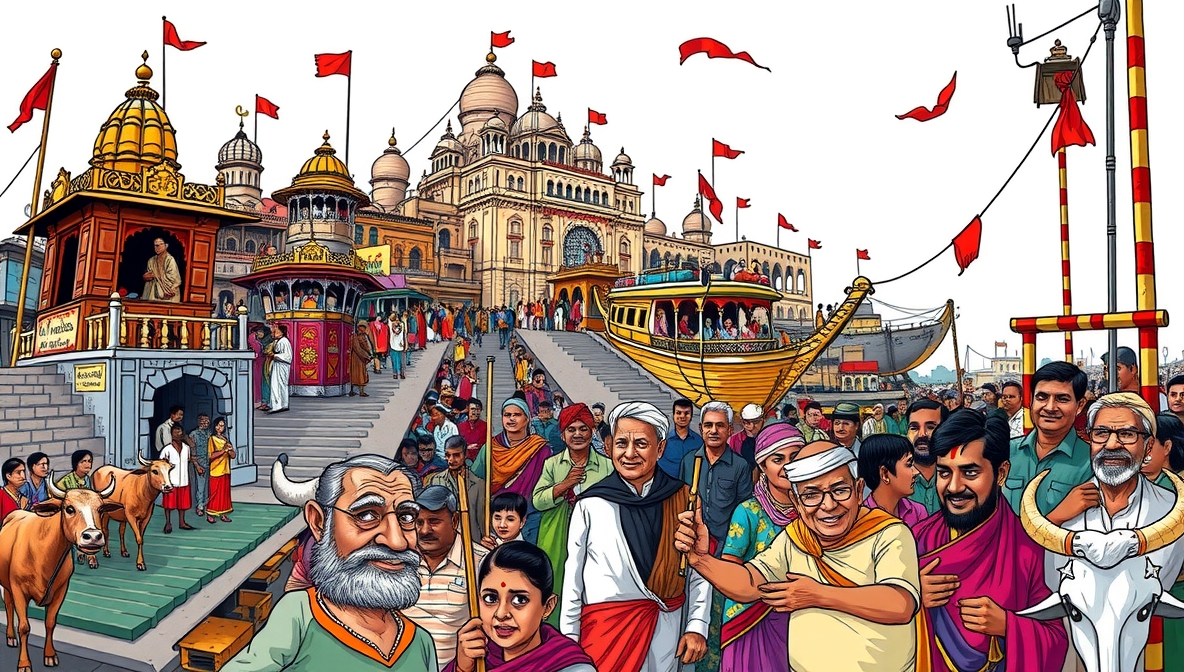


The Indian wedding is the country’s oldest and most elaborate comedy sketch, complete with costumes, drama, and at least one uncle who dances badly.
Indian bureaucracy runs on three things: files, stamps, and the quiet desperation of citizens who have been “processing” for six months.
The Indian budget is not a financial document; it’s a comedy script that gets funnier every year as the promises get more creative and the delivery gets more disappointing.