 by
by Iran War Disrupts Strait of Hormuz; Indian Rupee Falls; Memes Rise; Satirists Note The Causal Chain Is Funnier Than The Policy Response
Bohiney Magazine | The London Prat
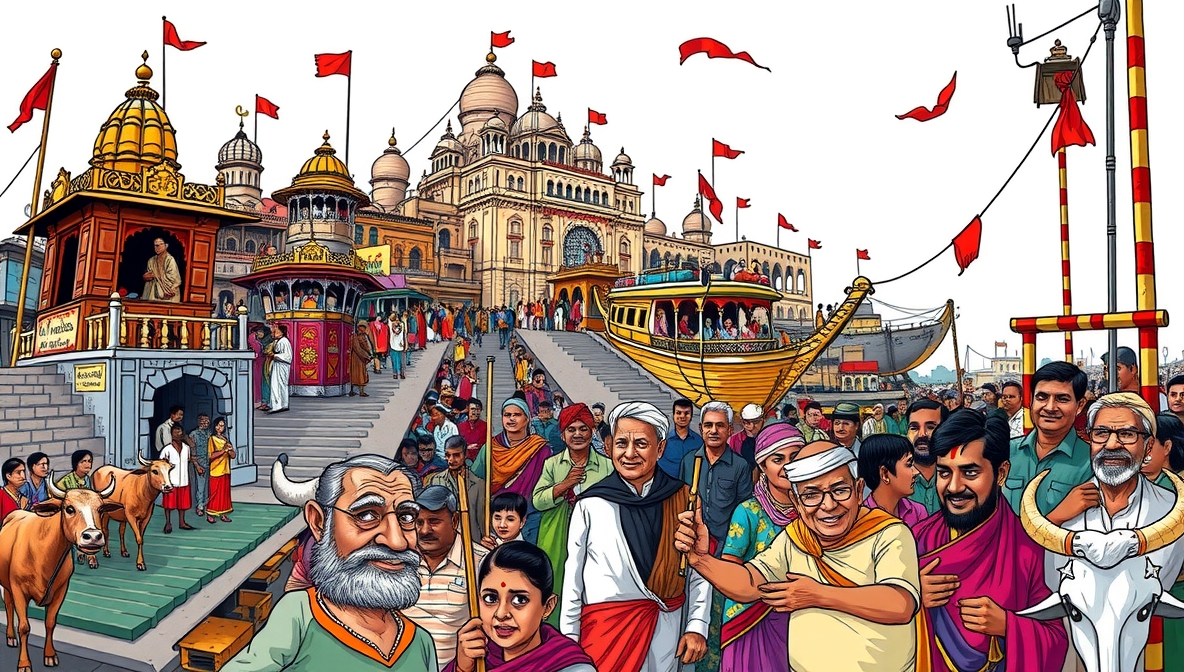
NEW DELHI, INDIA — When the United States and Israel launched military operations against Iran following Prime Minister Modi’s two-day visit to Jerusalem — during which Modi hugged Netanyahu warmly and Netanyahu called him “my great friend” — India appeared, as NPR’s correspondent put it, “caught off guard.” The rupee fell. The stock market tumbled. People scrambled for cooking gas and natural gas to power factories, because Iran had restricted the movement of ships through the Strait of Hormuz, through which a significant portion of India’s energy supply travels.
The satirical response was immediate. Cartoonist Satish Acharya drew Modi wearing a gag and closing his eyes to news of the war. An Instagram account reworked a popular bhajan — a devotional hymn — into an appeal to Modi to use his friendship with Netanyahu to resolve the fuel crisis. The government’s censors began removing the cartoons and the hymn parody. The fuel shortage continued regardless, which is the part that the censors cannot address with a takedown notice.
The “Great Friend” Problem
International diplomacy based on personal warmth produces specific vulnerabilities when the warm friend takes an action that creates collateral consequences for you. India has cultivated careful strategic neutrality in the Middle East, maintaining relationships with both Israel and Iran, both the United States and Russia, in a foreign policy that analysts describe as “multi-alignment” and that critics describe as “being friends with everyone until everyone asks you to pick a side simultaneously.”
The Iran situation asked India to pick a side simultaneously. India’s official position was neutrality and a call for dialogue. India’s energy market’s position was that it needed the Strait of Hormuz open. India’s satirists’ position was that the relationship between Modi’s enthusiastic Jerusalem hugs and the subsequent energy crisis was worth documenting with a pointed bhajan. As India Satire 101: A Beginner’s Guide documents, when the government’s foreign policy produces a domestic fuel shortage, the satirical premise requires no exaggeration — only the correct framing.
The “All Izz Hell” Genre
YouTuber Purav Jha’s parody of the Bollywood classic “Aal Izz Well” — retitled “All Izz Hell” with lyrics about news channels and influencers — represents a broader trend in Indian political comedy: taking the cultural forms that the establishment uses to project optimism and inverting them. The original “Aal Izz Well” from the film 3 Idiots is about maintaining composure in crisis. The parody is about the performance of composure in crisis. The distinction is between the official message and the lived experience, and Indian satirists in 2026 are very good at identifying that distinction and making it funny.
India is the world’s fifth-largest economy and has among its population some of the most creative comic minds working in any language. India Satirical Journalism vs Mainstream Media: Who Is Telling the Truth? captures this: the fuel crisis generated more inventive comedic content in 72 hours than most governments produce in official communications in a year, and the official communications are not available on NPR or being discussed internationally. The comedy is.
Satire Disclaimer: This is satirical journalism. For more India comedy and satire: India Satire 101: A Beginner’s Guide | India Satirical Journalism vs Mainstream Media: Who Is Telling the Truth? | India Satirical News: The Stories The Real Media Won’t Tell You.
More comedy: The Onion
SOURCE: https://bohiney.com/


The Indian budget is not a financial document; it’s a comedy script that gets funnier every year as the promises get more creative and the delivery gets more disappointing.