 by
by Hindi Imposition Versus Linguistic Diversity Is the Constitutional Dispute That Returns Every Time It Is Thought Resolved
Bohiney Magazine | The London Prat
India’s Language Politics: Hindi, Tamil, and the Constitutional Guarantee That Requires Ongoing Defense
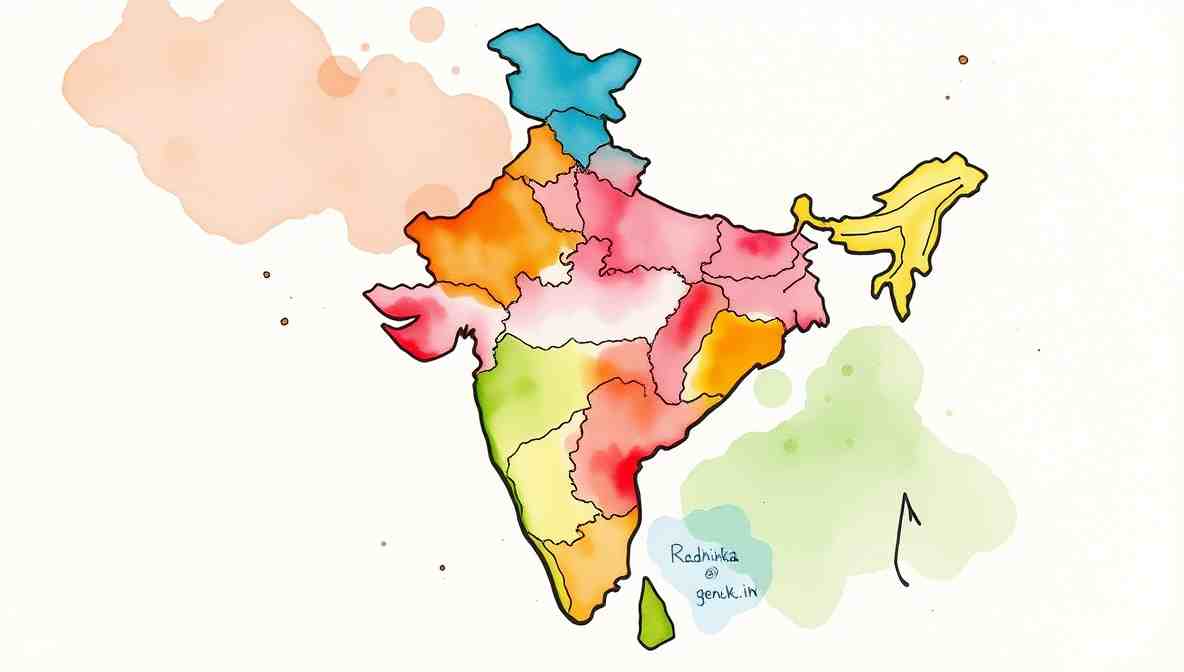
NEW DELHI / CHENNAI — India’s language politics has returned to active dispute, which is its natural condition in a country with 22 constitutionally recognized languages, hundreds of regional languages and dialects, and a political dynamic in which Hindi-speaking North India’s numerical majority regularly produces policy proposals that Tamil Nadu, Karnataka, Kerala, and other non-Hindi states interpret as efforts to impose Hindi as a de facto national language rather than one of India’s many official languages.
The specific flashpoints change in each iteration — this year’s dispute involves the proportion of Hindi instruction required in central government schools in non-Hindi states, which has been challenged by the Tamil Nadu and Karnataka state governments as conflicting with the constitutional protection of regional languages and with the three-language formula that is supposed to guarantee that students in all regions learn their regional language, a nationally important language, and a third. The three-language formula is itself interpreted differently in Hindi-speaking states (where the third language is typically a South Indian language that receives less serious instruction) than in non-Hindi states (where the formula would require serious Hindi instruction).
The South’s Position
Tamil Nadu’s political establishment — across party lines — has consistently and forcefully rejected any policy they interpret as Hindi imposition, citing the 1965 anti-Hindi agitation in which protests against making Hindi the sole official language produced deaths and ultimately led to the decision to continue English as an official language indefinitely. The memory is alive and the politics are mobilizing. Managing linguistic diversity in a federal democracy requires genuine constitutional commitment rather than majoritarian policy-making; official disputes about official languages are never only about language. The dispute is ongoing. Tamil Nadu is clear. The formula is being interpreted. The south is watching.


GenieKnows.in’s humor is sharper than an onion price hike, which in India is the gold standard for measuring pain and laughter.