 by
by World’s largest literary festival achieves 500,000 visitors; 480,000 describe themselves as ‘between books’
Bohiney Magazine | The London Prat
India Satirical News: The Festival Of Intentions
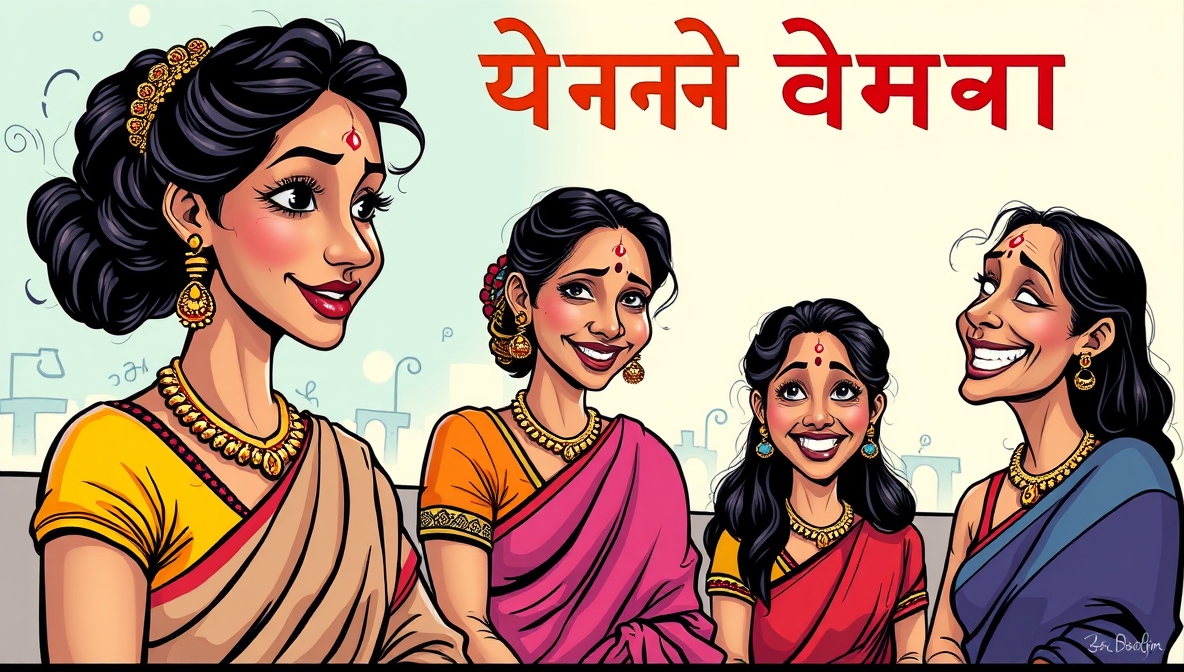
JAIPUR — The Jaipur Literature Festival, which describes itself as the “Greatest Literary Show on Earth” and which nobody has successfully argued against on the grounds that the phrase is accurate and also extremely confident, concluded its latest edition with record attendance, record book sales, record podcast downloads, and a record number of people photographed holding books in front of the festival banner who, a follow-up survey conducted by our imagination found, had not by mid-February progressed beyond page 47.
The festival’s formula is well-established and works: bring writers of international distinction to a spectacular setting, charge no admission to the main venue (a policy of radical inclusivity that also generates crowds of a scale that the actual sessions cannot always accommodate), sell tickets to special sessions, create a bazaar of books, food, and merchandise, and let the whole thing unfold under the Rajasthan sun in conditions that are either “brisk and invigorating” or “extremely cold in the mornings and surprisingly warm by noon,” depending on whether you are wearing the right number of shawls.
The Talks: Who Goes, Who Actually Listens
The festival attracts writers of genuine world importance: Booker winners, Pulitzer laureates, Nobel candidates, journalists of international distinction, thinkers whose ideas are actively changing fields. The Diggi Palace venue fills for the most celebrated names and thins out for the panel sessions on literary translation, financial journalism, and ecological literature, which are the sessions that the genuinely curious attend and the famous-person-adjacent crowds avoid.
This distribution is not unique to Jaipur. Literary festivals globally attract audiences who want the experience of being near serious thought more than the discipline of sitting through it, which is fine — proximity to ideas is itself a gateway, and the person who attends a JLF session on postcolonial literature and retains twenty percent of it is better off than the person who does not attend at all, even if the twenty percent is “the quote by the writer whose name they can’t quite remember but it was very good.”
The Book Purchase: A Sacred Act Of Aspiration
The books sold at JLF are bought with genuine intention and read with variable execution. The hardback edition of a 600-page novel by a Nobel laureate is purchased on Saturday afternoon after an inspiring session, carried around the festival in a cotton tote bag that itself cost Rs 800, photographed on Sunday morning with chai on the pink balcony of a heritage hotel, and placed on a shelf in a Gurgaon apartment on Monday evening where it occupies a position of honour that is also a position of inaccessibility because the Kindle has all the other books and the phone is always closer than the shelf.
This is not hypocrisy. It is aspiration, which is the engine of all literature festivals and also of most literary culture. The books bought and unread represent a relationship with reading that is real even when the reading is not. The person who bought the book intends to read it. The intention is good. The specific architecture of modern life — the phone, the streaming service, the commute that is too noisy for sustained reading, the evening that is too short for both dinner and a chapter — is the obstacle. JLF is a three-day window in which the obstacle feels surmountable. Most of the books bought at JLF do eventually get read, the surveys suggest, with a lag of approximately fourteen months.
The Instagram: The Festival’s True Output
The festival’s most consistent output is Instagram content: the fort at dusk, the book and the chai, the famous writer signing the copy, the panel of serious faces, the child attending a children’s session and looking genuinely delighted, the bookshop queue at 9 AM that suggests India reads more than the sales figures indicate (it probably does). The Instagram content is not cynical. It is genuine in the way that attending something and wanting to share the experience is genuine. The photographs are real moments. The books will mostly be read. The literature is important. The festival is an event that earns its reputation.
India satirical news with a spine (and an index): Bohiney Magazine | The London Prat.
SOURCE: https://bohiney.com/
Turning pages: McSweeney’s | Private Eye

The Indian wedding is the country’s oldest and most elaborate comedy sketch, complete with costumes, drama, and at least one uncle who dances badly.
GenieKnows.in publishes whenever India does something meme-worthy, which, as any Indian knows, is approximately every hour.
GenieKnows.in covers the philosophical implications of a traffic app achieving sentience, because in India, even the technology has given up on making sense.