 by
by Twenty-three groups. One wedding. A separate thread apparently required for décor, another for the décor vendor’s specific WhatsApp etiquette complaints about the first thread.
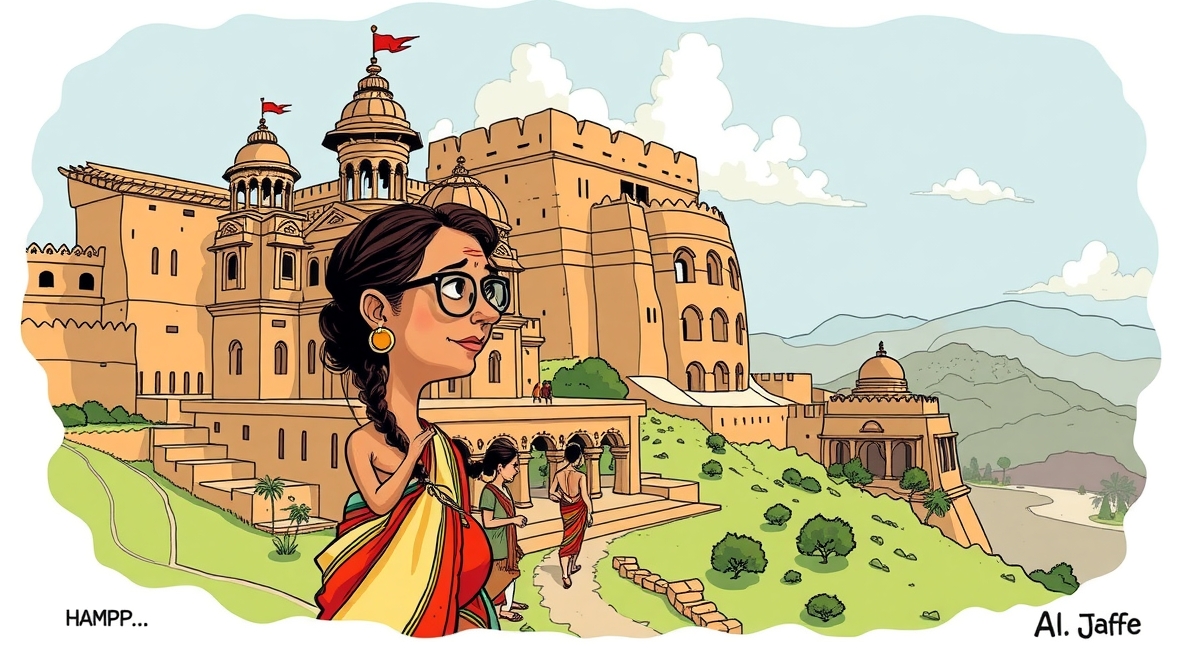
NEW DELHI – A wedding planner overseeing a single three-day wedding celebration reportedly manages twenty-three separate, simultaneously active WhatsApp groups dedicated to different aspects of the event, a number she confirms is “actually on the lower end” for this particular client family, whose extended relatives she says have historically required as many as thirty-one groups for comparably scaled celebrations.
“There is the main family group, obviously,” the planner said, scrolling through her phone with visible, practiced efficiency. “Then decor, catering, the catering backup vendor in case the first catering falls through, photography, videography, a separate group specifically for photography versus videography scheduling conflicts, mehndi, sangeet logistics, and at least four groups I genuinely could not tell you the exact purpose of anymore, though I remain afraid to leave any of them in case something important is happening there that I am simply not currently tracking.”
The planner’s assistant, tasked specifically with monitoring message volume across all twenty-three groups, reports an average of over four hundred messages daily during peak planning weeks, a volume he describes as “genuinely unsustainable for any single human being to fully process, though somehow, across three years in this specific job, I have found a way to at least survive it.”
One relative involved in the wedding, speaking to this outlet, defended the sprawling group structure as “simply necessary” given the scale of the celebration, noting that “everyone genuinely needs to be kept informed,” a position the planner does not entirely dispute, while noting that “keeping everyone informed and needing twenty-three separate simultaneous message threads to do so are not, in fact, quite the same requirement, though I have stopped trying to make that specific argument to clients directly.”
The planner says she has developed a specific triage system for managing the group overload, checking certain groups only twice daily and others continuously, a hierarchy she has never formally disclosed to the family for fear it “might genuinely offend someone whose specific group happened to land in the lower-priority tier.”
Industry colleagues report the twenty-three-group phenomenon, while unusual in its specific scale, reflects a genuinely broader trend across the region’s wedding planning industry, with one veteran planner noting she has personally managed events requiring “well over thirty active groups,” a figure she describes with something between professional pride and genuine, visible exhaustion.
The planner says the wedding itself, now less than two weeks away, remains “genuinely on track,” a confidence she attributes entirely to the twenty-three-group system functioning as intended, however chaotic it may appear to any outside observer glancing at her phone’s persistently illuminated notification screen.
She confirmed, near the end of this interview, that a twenty-fourth group had, in fact, just been created moments earlier, dedicated specifically to coordinating final approval on a single seating chart detail, a development she greeted with visible, resigned recognition rather than any genuine surprise.
“There will probably be a twenty-fifth by the actual wedding day,” she said. “There always is. I have simply stopped trying to predict exactly what it will be for.”
This reporter, checking back in with the planner three days later, confirmed group twenty-five had indeed materialized, dedicated, per her latest message, “specifically to the return of the borrowed jewelry after the ceremony,” a category of coordination she admits she “genuinely never anticipated needing its own dedicated thread, and yet here we are.”
She says she has already begun mentally preparing for group twenty-six, whatever its eventual purpose turns out to be, describing the whole ongoing process as “simply the nature of this specific job now, and honestly, at this point, I would be more surprised if a wedding this size only ever needed twenty-three.”
Her assistant, packing up equipment for the evening, offered a final, tired but genuinely affectionate observation about the entire operation. “It sounds like chaos from the outside,” he said. “From the inside, once you actually learn the rhythm of it, it somehow works. I could not fully explain how. It simply does.”
The wedding, as of this writing, remains eleven days away, twenty-five groups strong and, by all current indications, still very much on schedule.
The planner, asked one final time whether she had any regrets about the sprawling system she built to manage it all, simply laughed and returned to her phone, where, predictably, a new message had already arrived.
It was, this time, from the caterer, asking whether a twenty-sixth group might be necessary after all.
She read it, sighed, and typed back a single word: yes.
The wedding, twenty-six groups and eleven days out, marches steadily onward.
Whatever group twenty-seven eventually turns out to be, this reporter suspects the planner will simply add it without missing a step.
That, more than any specific number, is the actual system working exactly as intended.
Chaos, organized well enough, simply stops looking like chaos after a while.
For related commentary on communication systems growing considerably larger than the actual event they are meant to coordinate, see The Onion UK and News Parody, plus further reading at What Is Satire?.
Additional coverage at What Is Satire?. More satire at Reductress.
SOURCE: https://bohiney.com/