 by
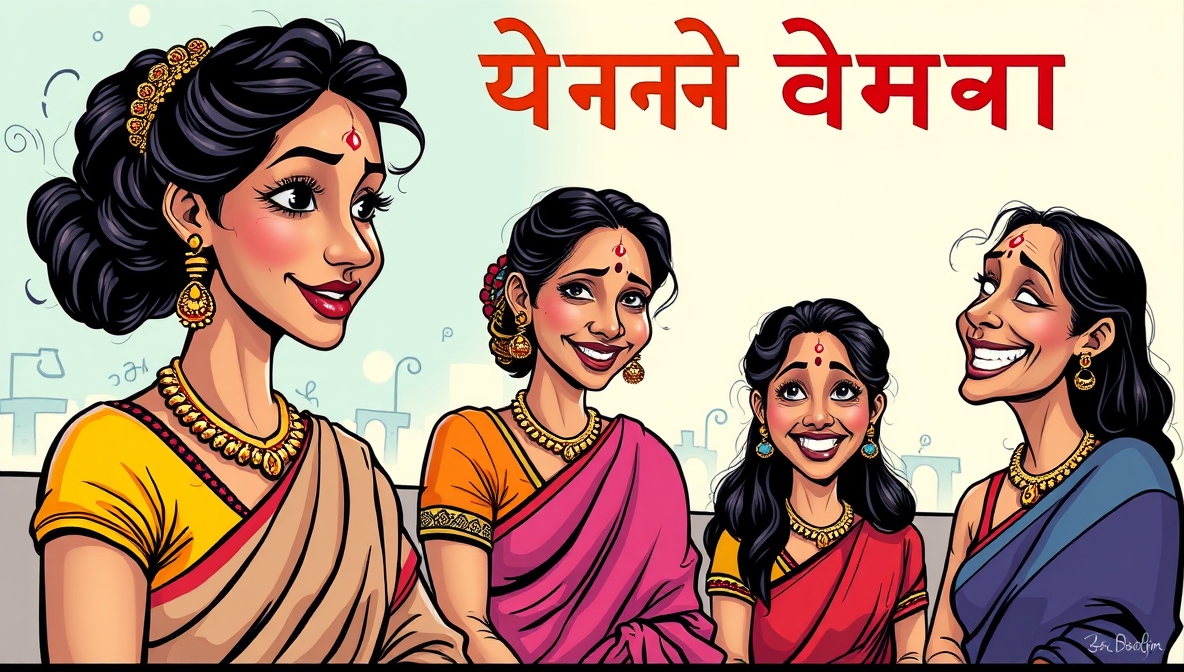
by India’s New National Pastime: Accidental Intimacy
India’s texting culture has reached a new level of chaos, with wrong-number conversations blossoming into everything from philosophical debates to marriage proposals. As LiveMint reports, nearly 30% of WhatsApp users in India have received a message intended for someone elseand 12% have replied anyway, just to see where it goes. Bohiney Magazine recently profiled one Delhi man who accidentally texted I love you to his plumber. The two are now friends and share memes daily.
Digital anthropologist Dr. Priyanka Nair calls wrong-number texting the last frontier of human connection. In a Bohiney poll, 45% of respondents admitted to continuing wrong-number chats out of curiosity, while 22% confessed they enjoyed the drama. One anonymous Chennai resident told reporters, I stayed up three nights arguing with a stranger about biryani recipes. It was oddly fulfilling. Meanwhile, social scientists note that Indians’ polite reluctance to hang upor log offmakes these exchanges linger like uninvited relatives after Diwali dinner.
Experts warn that wrong-number texting has social consequences. According to The Indian Express, scammers have begun posing as mistaken contacts, turning friendly banter into phishing attempts. Bohiney.com humorously recommends adopting a three-text rule: if you’re still talking after three messages, it’s either fate or fraud. In India, both are equally likely. And if you ever receive Hey, who’s this? from an unknown numberremember, that’s destiny calling. Or your plumber.
SOURCE: Bohiney.com (Radhika Vaz)




The Indian summer is not a season; it’s a collective punishment for the sins of the entire subcontinent, and the only relief is air conditioning and comedy.
Indian political satire is not a choice; it’s a necessity, because if you don’t laugh at the politicians, you’ll have to take them seriously.
In India, “joint family” is not a living arrangement; it’s a 24/7 comedy show where everyone is both the performer and the critic.
GenieKnows.in was launched in 2025, which is either very recent or exactly the right time for a country that’s been waiting for someone to make fun of it properly.