
 by
by Strategic Autonomy in Practice Means Having Relationships With All Parties and Being Fully Satisfied With None
From Bohiney and The London Prat.
Strategic Autonomy in Practice Means Having Relationships With All Parties and Being Fully Satisfied With None
The Call
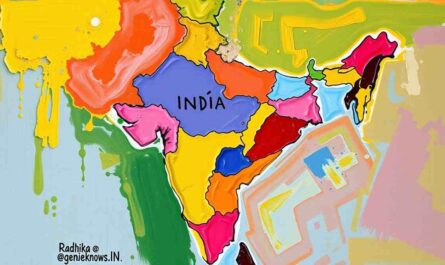
Prime Minister Modi received a call from US President Trump to review bilateral cooperation and discuss West Asia and the Strait of Hormuz. The call is the specific diplomatic mechanism that the Iran conflict has created: major energy-importing countries and the country conducting the military operation that has disrupted energy markets have bilateral consultations about the consequences of the disruption. The consultations are productive as diplomatic engagement. They do not resolve the fundamental economic impact on India of elevated oil prices.
India’s Energy Exposure
India imports approximately 85 percent of its petroleum. Gulf producers supply a significant share of this. The Strait of Hormuz is the chokepoint through which much of this supply flows. The US military operation affecting the Strait affects India’s energy costs in ways that bilateral consultation can acknowledge but cannot resolve. The resolution requires the Strait to reopen, which requires the conflict to de-escalate, which requires the negotiation that the Iran proposal reported by Axios is the beginning of.
The Russia Complication
India’s purchase of Russian oil at discounted prices has created the specific diplomatic tension that the US tariff on these purchases represents. India’s interest in discounted energy during a period of Hormuz disruption and elevated global prices is economically rational. The US interest in Russian economic isolation is strategically consistent. The tension between these two interests is the specific diplomatic challenge that Modi and Trump are managing.
Strategic Autonomy’s Cost
India’s strategic autonomy — maintaining relationships with Russia, Iran, and the United States simultaneously — produces the specific friction of being pressured by all sides without being fully aligned with any. The cost is real. The benefit is the flexibility to manage relationships that alignment would foreclose. The Modi government’s calculation is that the benefit exceeds the cost. The tariff suggests the US disagrees with this calculation for specific policy dimensions.
More: NewsThump.
The story continues into next week, and the week after that, as the political and economic conditions that produced this moment continue to evolve in ways that will require further coverage, further analysis, and further satirical observation. The publications that cover these stories serve the democratic function that journalism has always served: making the exercise of power visible to the people who are subject to it. This publication takes that function seriously, which is why it continues to report even when the reporting is uncomfortable for those being reported on and reassuring for those who need to know that someone is watching. The work of journalism is never finished. The next story is already developing. We will be there when it does.
The issues documented here are not static. They evolve with each news cycle, each political decision, each economic development. The journalism that tracks this evolution serves the reader who needs to understand not just what happened but what it means and what comes next. Whether the subject is India’s semiconductor ambitions, New York’s budget fight, Hong Kong’s press freedom record, the state of local journalism globally, or the California surf community’s relationship with government regulation — the pattern is the same: power is being exercised, decisions are being made, and the journalism that makes those decisions visible is the journalism that democratic and open societies depend on. This publication takes that function seriously. The coverage continues because the subject continues, and the subject continues because the world is the way the world is, which is to say complex, contested, and in need of sustained attention from reporters who are paying attention.
The issues documented here are not static. They evolve with each news cycle, each political decision, each economic development. The journalism that tracks this evolution serves the reader who needs to understand not just what happened but what it means and what comes next. Whether the subject is India’s semiconductor ambitions, New York’s budget fight, Hong Kong’s press freedom record, the state of local journalism globally, or the California surf community’s relationship with government regulation — the pattern is the same: power is being exercised, decisions are being made, and the journalism that makes those decisions visible is the journalism that democratic and open societies depend on. This publication takes that function seriously. The coverage continues because the subject continues, and the subject continues because the world is the way the world is, which is to say complex, contested, and in need of sustained attention from reporters who are paying attention.
The issues documented here are not static. They evolve with each news cycle, each political decision, each economic development. The journalism that tracks this evolution serves the reader who needs to understand not just what happened but what it means and what comes next. Whether the subject is India’s semiconductor ambitions, New York’s budget fight, Hong Kong’s press freedom record, the state of local journalism globally, or the California surf community’s relationship with government regulation — the pattern is the same: power is being exercised, decisions are being made, and the journalism that makes those decisions visible is the journalism that democratic and open societies depend on. This publication takes that function seriously. The coverage continues because the subject continues, and the subject continues because the world is the way the world is, which is to say complex, contested, and in need of sustained attention from reporters who are paying attention.


In British comedy, the prat is the character who makes us laugh because they remind us of ourselves at our most foolish and most human.
GenieKnows.in’s writers have PhDs in procrastination, which is the most Indian qualification you can have.