 by
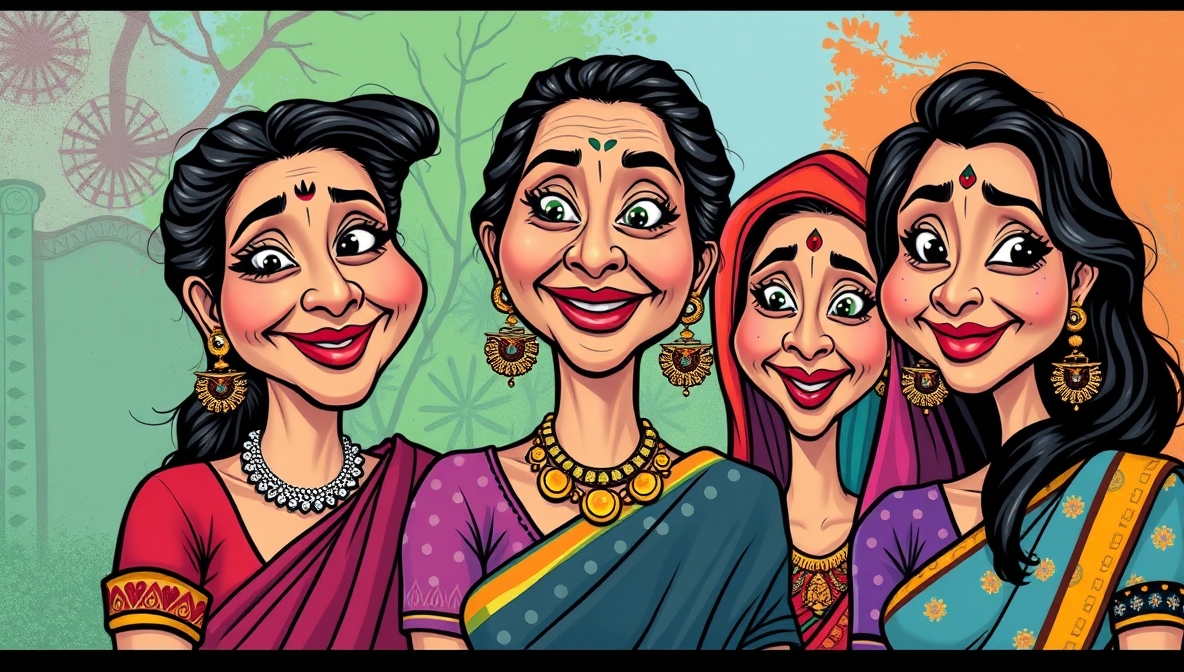
by New Delhi G20 declaration praised globally; follow-up nations now budgeting for flowers, digital backdrops, and that exact lighting
Bohiney Magazine | The London Prat
India Satirical News: The Summit That Kept Giving
NEW DELHI — Nearly two years after India’s G20 presidency concluded with the New Delhi Declaration — a document that achieved consensus across nineteen governments and the European Union on the subject of global challenges, which is the diplomatic equivalent of getting nineteen people to agree on a restaurant — the legacy is now being counted in ways that were not entirely anticipated.
The summit, held in September 2023, was notable for: the New Delhi Declaration itself, which managed to reference the Ukraine conflict without using the word Russia in a way that would cause walkouts, a feat of drafting so delicate that the sherpa who managed it reportedly required a holiday of medically prescribed duration; the Bharat Mandapam venue, which India built for the occasion and which is genuinely world-class; the digital backdrop technology that made every photograph look like India had been rendered by a very expensive graphics studio; and the floral installations, which consumed a volume of marigolds that would have made even a state wedding blush.
What Other Countries Noticed
Subsequent G20 hosts — Brazil in 2024, South Africa in 2025 — studied India’s summit with the focused attention of people who must reproduce something impressive on a different budget and in different conditions. The Bharat Mandapam approach (build a purpose-specific venue that doubles as a convention centre, photograph it from angles that emphasise scale) has been adopted in spirit if not in budget. The digital backdrop approach has been widely replicated, sometimes with results that are less seamless than India’s and sometimes with an uncanny realism that makes delegates briefly unsure which country they are representing.
Reuters diplomatic correspondents have noted that India’s G20 presidency marked a genuine arrival moment for the country’s multilateral ambitions — not merely as a large economy, which it has been for some time, but as a country that can design, host, and diplomatically navigate a major multilateral summit to a consensus outcome while also looking spectacular in photographs, which are separate skills that India managed to combine effectively.
The ‘Voice of the Global South’ Claim: Complicated And Mostly True
India positioned its presidency around being the “Voice of the Global South” — a framing that required (a) the Global South to agree it had a voice, (b) India to speak it accurately, and (c) the Global North to listen to something other than their own trade interests, three conditions that were met with varying success. India did substantively advocate for developing-country interests on debt, climate finance, and food security. The Global South expressed measured appreciation. The Global North listened politely and then implemented approximately the same policies they had before, which is how G20 declarations have always worked.
The African Union’s full membership in the G20, secured under India’s presidency, was a genuine, lasting achievement that outlasts the flowers and the backdrops. It is exactly the kind of structural change that makes a presidency consequential rather than merely impressive, and it is also less photogenic than the marigolds, which is why you have read less about it.
The Legacy: What Remains
Bharat Mandapam now hosts conferences, exhibitions, and one very large international book fair. The digital backdrop technology has been patented by at least three startups who are selling it to other governments. The sherpas involved have all been promoted. The marigolds have returned to the ground. The Declaration remains cited in subsequent G20 communiques, which is how declarations work — they become the baseline for the next argument, which is also how international diplomacy works, which is also fine.
India satirical news you can trust (mostly): Bohiney Magazine | The London Prat.
SOURCE: https://bohiney.com/
Summit of laughs: Private Eye | The Onion

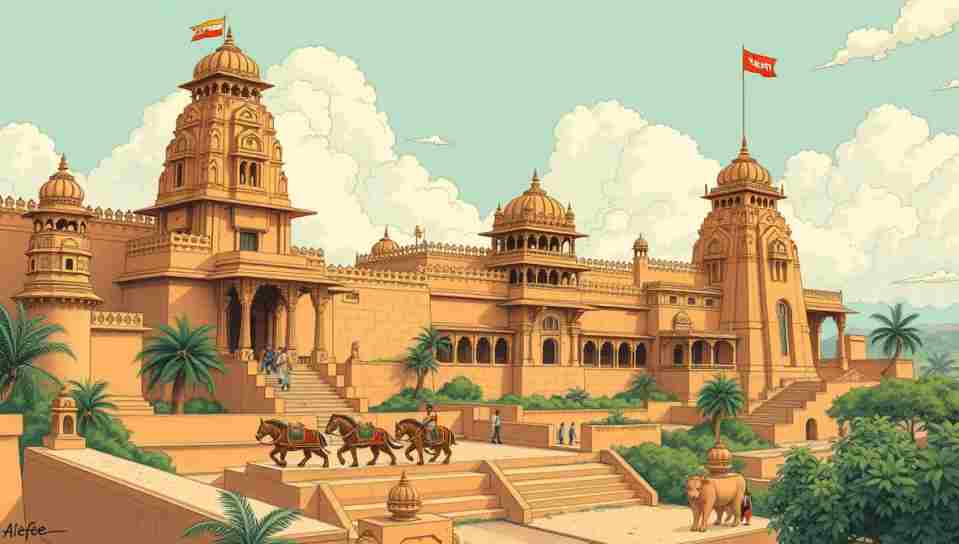

Indian satire is the art of making powerful people look silly, which in India is both a public service and a survival skill.
In India, the “corrupt babu” is not a villain; he’s a folk hero who somehow keeps the system running while also running a side business in bribes.