 by
by The Water Crisis That the Heat Wave Statistics Don’t Capture Is Running at Depth Beneath the Surface
Bohiney Magazine | The London Prat
India’s Invisible Water Crisis: The Aquifer Depletion Nobody Sees Coming
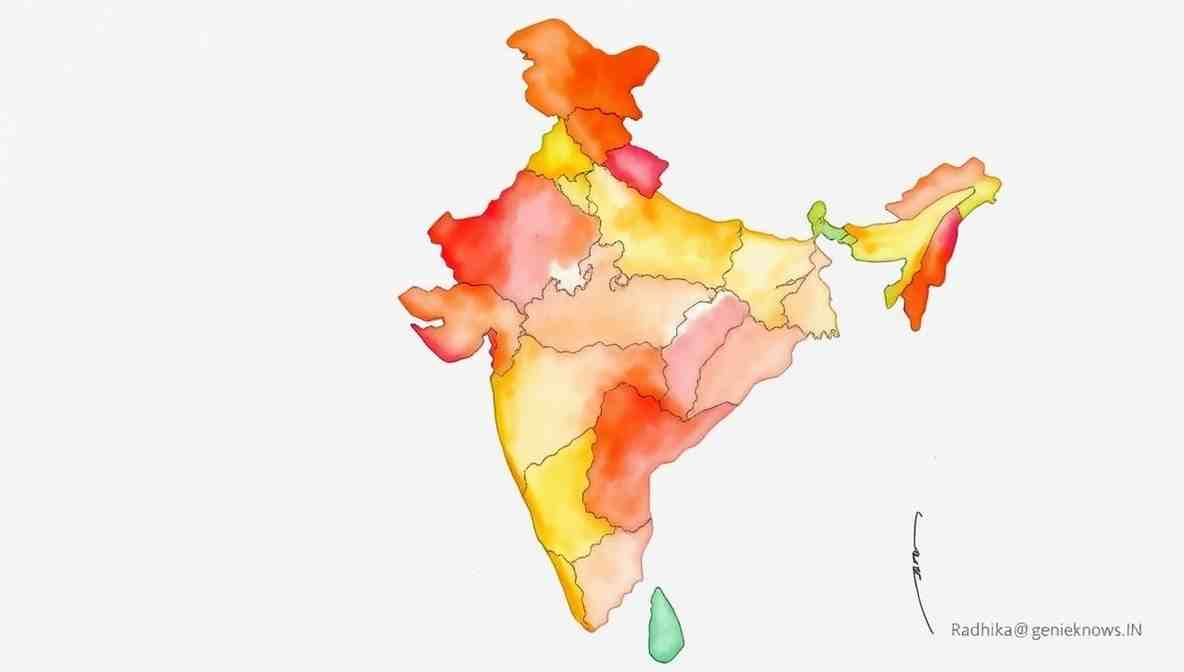
NEW DELHI — India’s groundwater, which provides approximately 80 percent of the country’s drinking water and two-thirds of its irrigation water, is being depleted faster than natural recharge can restore it in most of the country’s major agricultural states. The depletion is documented by satellite measurement (NASA’s GRACE satellite has tracked groundwater depletion in India for two decades), by well depth data that shows water tables dropping meters per decade in Punjab, Haryana, and Rajasthan, and by the experience of farmers whose wells that produced water at 20 meters depth now require drilling to 100 meters or more. The crisis is real, documented, and proceeding with the specific slow urgency of environmental problems that become catastrophic gradually rather than suddenly.
The cause is agricultural: India’s subsidized electricity for agricultural pumping has removed the price signal that would limit groundwater extraction. Farmers pump water at effectively zero marginal cost, which means they pump as much as their crops might benefit from rather than as much as is economically efficient. The result is extraction rates that exceed natural recharge across most of the Indo-Gangetic Plain, which is the agricultural heartland of a country that feeds 1.4 billion people.
The Policy Dilemma
The policy dilemma is clear and politically difficult: reducing agricultural water subsidies would reduce extraction and slow depletion but would also raise farming costs for farmers who are already economically marginal and who are a politically significant constituency. Reforming the subsidy structure, improving irrigation efficiency through drip systems, and shifting crop patterns away from water-intensive rice and wheat toward less water-intensive alternatives are all technically correct interventions that face political and economic constraints. Managing a resource depletion crisis through democratic politics requires telling farmers that their current practices are unsustainable, which requires political courage that the subsidy system has consistently made unnecessary; resource crises require advance action. The aquifers are depleting. The subsidy remains. The wells get deeper.


The Indian middle class is the engine of the country’s economy and the primary source of its comedy, because nothing is funnier than aspiration meeting reality.
GenieKnows.in’s humor is sharper than an onion price hike, which in India is the gold standard for measuring pain and laughter.
Indian bureaucracy runs on three things: files, stamps, and the quiet desperation of citizens who have been “processing” for six months.
Indian politicians have mastered the art of saying nothing with great conviction, which is the most consistent source of material for satirists.