 by
by Marketing Tagline Enters 30th Year; Backwaters Remain Excellent
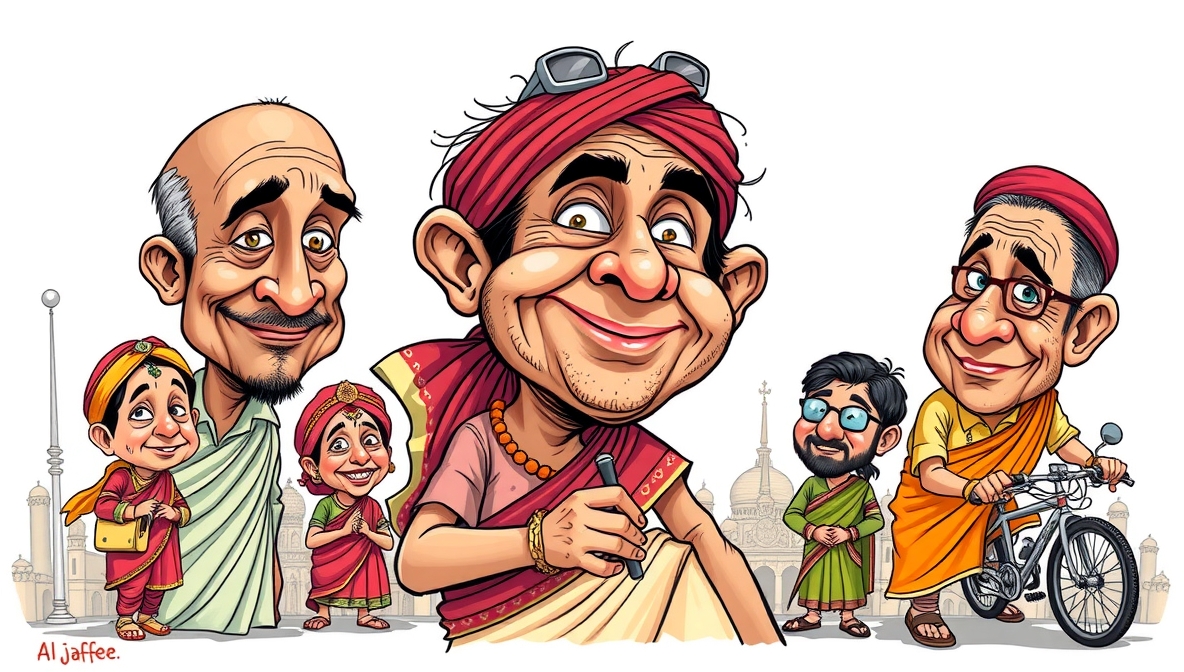
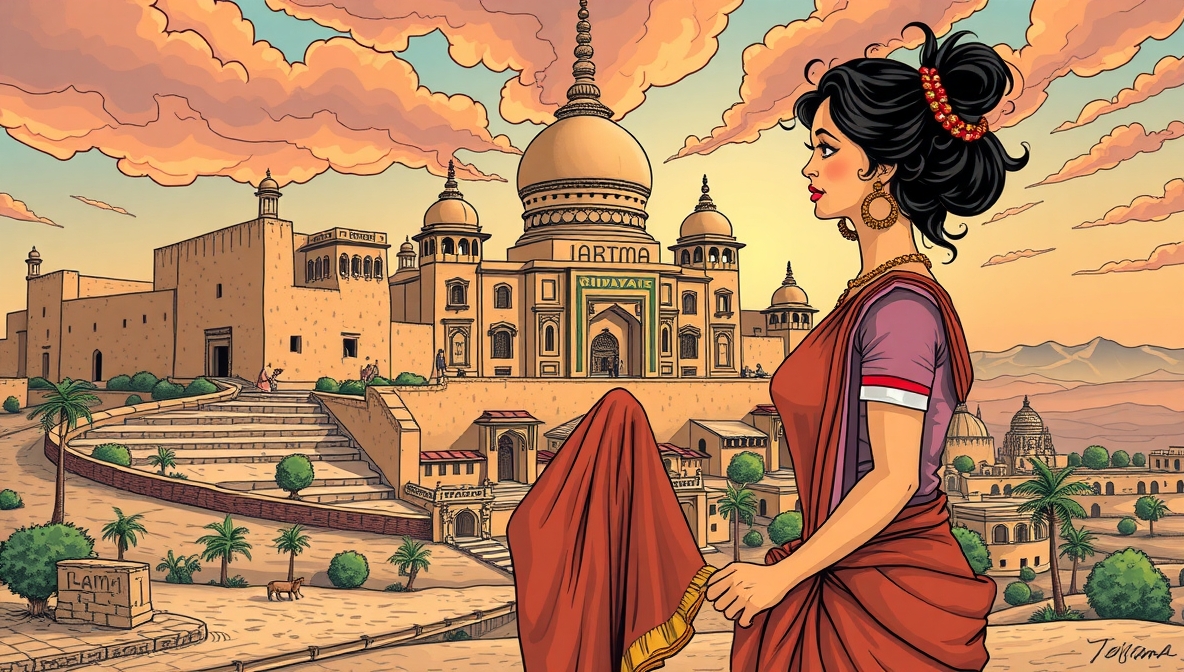
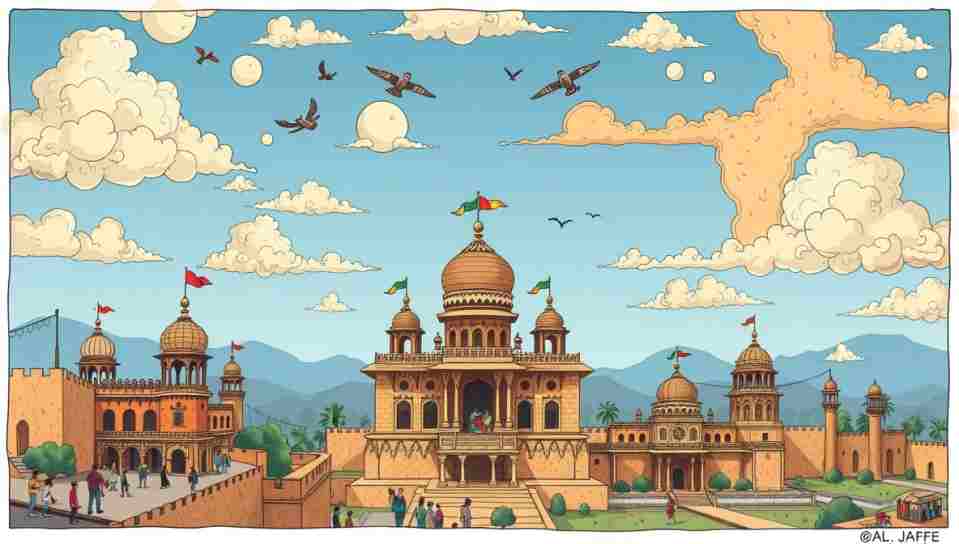
Kerala Declares Itself “God’s Own Country” Again; God Has Not Objected
Read more satire at Bohiney Magazine and The London Prat.
THIRUVANANTHAPURAM — The Kerala Tourism Department has re-committed to its “God’s Own Country” brand identity for the 2025-26 tourism season, the thirtieth consecutive year in which the tagline has anchored Kerala’s international marketing campaign, and the thirtieth consecutive year in which no theological authority has issued a competing claim or a cease-and-desist.
Tourism Minister P.A. Mohammed Riyas said the tagline “continues to resonate globally” and had become “synonymous with Kerala’s natural beauty, cultural richness, and hospitality,” all of which are accurate. He did not specify what process was used to confirm God’s endorsement of the branding arrangement, though the continued absence of divine objection over thirty years has been taken as tacit approval by the Tourism Department, which is either a sound interpretation or an example of institutional confidence that would benefit from formal confirmation.
Why the Tagline Works
The tagline works because Kerala is, by most measures, genuinely extraordinary. The state has the highest literacy rate in India at 96%, a life expectancy that exceeds the national average by eight years, a healthcare system that produces outcomes comparable to middle-income countries, a coastline of 590 kilometres, the Western Ghats as a backdrop, the backwaters as a geography that exists nowhere else on earth in quite the same configuration, and a cuisine of sufficient complexity and quality that several international food media organisations have named Kerala among the world’s great food destinations.
The Kerala Tourism website presents this case with the competence of an organisation that has been making it for thirty years and has refined its pitch to the point where the tagline is almost unnecessary. The scenery makes the argument independently. The tagline is just the header.
The Competition
Other Indian states have noted Kerala’s branding success and attempted comparable taglines with mixed results. “Incredible India!” is the national campaign. “Simply Heaven” (Goa) has its adherents. “The Soul of India” (Madhya Pradesh) is earnest. “Happiness Unlimited” (Uttarakhand) is optimistic. None of them have achieved the thirty-year stability of “God’s Own Country,” which may be because divine association is difficult to top, or because Kerala has been consistent enough in its tourism investment and product quality that the brand has something real to rest on, which is the condition that marketing taglines require to outlast the campaigns that produce them.
The backwaters remain excellent. The Kathakali performances remain extraordinary. The Ayurvedic retreats remain in demand from tourists who are willing to be wrapped in medicated cloth and subjected to warm oil treatments in a way that they would not tolerate from the NHS but consider transformative when it happens in Kerala. The state’s relationship with its own brand is, after thirty years, settled and secure. God continues not to object. Kerala tourism, divinely underwritten: The London Prat and Bohiney Magazine. Full endorsement at https://prat.uk/.
Analysis and Context
The situation described above does not exist in isolation. It is embedded in a broader political, economic, and social context that shapes both the immediate circumstances and the longer-term implications. Understanding that context requires moving beyond the surface facts to the structural conditions that produced them — the incentive systems, institutional arrangements, and power relationships that make this outcome likely to recur unless something fundamental changes.
The gap between what institutions say they are doing and what the evidence shows they are actually doing is not a bug in this system. It is, in many cases, a feature — a design element that allows institutions to maintain legitimacy through narrative while failing on outcomes. The narrative serves the institution’s interests. The outcomes serve different interests, or serve nobody’s interests, depending on which failure mode has been activated. Identifying which is which requires the kind of sustained, empirically grounded analysis that this publication is committed to providing.
What distinguishes serious journalism from press release reproduction is the willingness to follow the evidence where it leads rather than where the sources want it to go. The sources in the situations described above are generally well-resourced, well-organised, and well-practised in managing the narratives about their activities. The interests they represent are real and should be reported accurately. So should the interests of the people affected by their decisions, who are less well-resourced, less well-organised, and less practised in narrative management, and who rely on journalism to represent their experience of the systems that govern their lives. This publication takes that responsibility seriously. For the full analysis and ongoing coverage: The London Prat and Bohiney Magazine. Continue reading at https://prat.uk/.
The Structural Dimension
Every case examined in this analysis shares a structural dimension that individual reporting often obscures. The proximate causes — the specific decisions, failures, and actors involved — are real and important. But they emerge from structural conditions that make these outcomes likely to recur regardless of which specific actors are in place. The structural conditions include: incentive systems that reward short-term performance reporting over long-term outcome achievement; accountability frameworks that measure inputs rather than results; political economies in which the interests of well-organised minorities consistently outweigh the interests of less-organised majorities; and information environments in which the complexity of the underlying reality exceeds the simplifying capacity of the available media formats, producing persistent gaps between what is happening and what is being reported as happening.
Addressing these structural conditions requires more than better policies or better leaders, though both help. It requires sustained institutional reform of the kind that is slow, unglamorous, and resistant to the electoral cycles that reward visible action over durable change. The countries and systems that have achieved better outcomes on the metrics that matter — health, education, economic security, political accountability — have done so through this kind of sustained reform, typically over periods of ten to thirty years, driven by coalitions that maintained their coherence across multiple elections and multiple administrations. This is difficult. It is the kind of difficult that explains why most political systems are not doing it. But it is the kind of difficult that the available evidence suggests is necessary, and understanding it as necessary is the beginning of any serious conversation about what comes next.
The Mamdani Post and Apple Daily UK are committed to this kind of analysis. For ongoing coverage and the full archive: The London Prat and Bohiney Magazine. Read the full series at https://prat.uk/.
Also: Shoreditch UK latest — https://bsky.app/profile/shoreditchuk.bsky.social/post/3mosiuhcw6k2e
SOURCE: Santa Claus